How to Buy a Home in San Diego, California in 2026
Real Estate
Real Estate
Buying a home in San Diego starts with getting financially ready, securing mortgage pre-approval, choosing the right neighborhood, making a competitive offer, completing inspections and escrow, and closing on the property. In today’s San Diego housing market, buyers who understand the process early can move faster, make stronger decisions, and avoid costly mistakes.
Meta Description: Learn how to buy a home in San Diego with this step-by-step guide to pre-approval, offers, inspections, escrow, and closing in California.
If you want to buy a home in San Diego, start by reviewing your budget, checking your credit, and getting pre-approved by a mortgage lender. Then choose a neighborhood, work with a local agent, make an offer, complete inspections and escrow, and close with a title company and lender.
The first step is understanding what you can realistically afford. That means looking at your income, savings, debt, credit score, and monthly housing budget before you ever start touring homes. In the San Diego housing market, this matters even more because prices can move quickly and many neighborhoods have high entry costs.
A good starting point is to estimate your full monthly payment, not just the purchase price. Include principal, interest, property taxes, homeowners insurance, HOA dues, and maintenance. In Southern California, those extra costs can make a big difference in what feels affordable.
Before you search listings, take a close look at your financial picture. Lenders will evaluate your debt-to-income ratio, credit history, employment, savings, and cash reserves. The Federal Reserve influences borrowing costs indirectly through rate policy, which is why mortgage rates can rise or fall over time.
Credit score and credit report.
Monthly debt payments.
Cash for down payment and closing costs.
Emergency savings after closing.
Stable income and job history.
If you are a first-time home buyer in San Diego, don’t focus only on the down payment. Closing costs, inspections, moving expenses, and post-closing repairs can add up fast.
Pre-approval is one of the most important steps in the San Diego home buying process. A mortgage lender reviews your finances and tells you how much home you may qualify for, which helps you shop with confidence and submit stronger offers. Sellers in California often prefer buyers who already have financing in place.
Pre-approval is more useful than a quick online estimate because it reflects your real numbers. It also helps you understand how changes in mortgage rates affect your budget, especially in a market where homes can sell quickly.
It sets a realistic price range.
It helps you move faster when the right home appears.
It signals seriousness to sellers.
It can expose credit or debt issues early.
San Diego is not one market; it has many micro markets. Your budget, commute, school needs, lifestyle, and long-term plans should shape where you buy. Neighborhoods like La Jolla, Del Mar, North Park, and Chula Vista each offer a different mix of price, walkability, coastal access, schools, and commute time.
In the Southern California real estate market, location drives a lot of the value. A smaller home in a better location may hold value better than a larger home far from work, beaches, or transit.
Commute time to work.
School district quality.
Walkability and lifestyle.
HOA rules and fees.
Home type: condo, townhome, or detached house.
In San Diego County, some buyers start in more affordable areas like Chula Vista or East County, while others target central neighborhoods like North Park or coastal areas like La Jolla and Del Mar. The right answer depends on your budget and what you want day to day.
A skilled San Diego real estate agent helps you understand pricing, identify strong opportunities, and avoid common mistakes. This is especially valuable in California because the contracts, disclosures, and contingency periods can feel overwhelming to first-time buyers. A good agent also coordinates with your lender, escrow company, and title company so the process stays on track.
Your agent should help you:
Compare recent sales.
Spot overpriced homes.
Write a competitive offer.
Negotiate repairs or credits.
Keep track of deadlines during escrow.
Once your finances and neighborhood priorities are clear, start touring homes. Focus on the property’s condition, layout, location, and long term livability. In the current San Diego County market data, many homes still move quickly, so buyers should be prepared to act when they find the right fit.
Roof age and major systems.
Natural light and floor plan.
Parking and storage.
HOA rules, if applicable.
Signs of deferred maintenance.
Do not chase the “perfect” home at the expense of your budget. In San Diego, the best home is often the one that balances location, payment comfort, and future resale potential.
When you find the right home, your agent will help you write an offer based on market conditions and comparable sales. In San Diego, many offers include contingencies for inspection, appraisal, and loan approval, though terms can vary by price point and competition level.
Competitive price.
Earnest money deposit.
Reasonable contingency periods.
Proof of pre approval.
Flexible closing timeline.
In neighborhoods with tighter inventory, a clean offer can matter as much as the price. That does not mean giving up protections blindly; it means balancing strength with caution.
Once your offer is accepted, escrow opens. Escrow is a neutral third party that holds funds and documents until all contract conditions are met. In California, escrow works closely with the title company, which researches the property’s ownership history and issues title insurance.
Deposit of earnest money.
Delivery of disclosures.
Title review.
Loan processing.
Final signing and recording.
This is where the transaction becomes more detailed. Deadlines matter, and buyers should respond quickly to lender and escrow requests to avoid delays.
During escrow, review the seller disclosures and schedule inspections. This is one of the most important parts of buying a house in California because it helps you understand the property before you commit fully. Common inspections include general home, pest, roof, sewer, and HVAC inspections.
Transfer Disclosure Statement.
Natural Hazard Disclosure.
Preliminary title report.
HOA documents, if the home is in a community association.
Inspection reports.
If the inspection reveals major issues, you may be able to renegotiate repairs, request credits, or cancel within your contingency period. Never skip this step just to speed up closing.
Your lender will order an appraisal to confirm the home’s value and continue underwriting your loan. Underwriting is the lender’s final review of your documents, income, assets, and the property itself. If anything changes in your finances during this time, tell your lender right away.
Avoid new debt.
Do not change jobs without talking to your lender.
Keep bank statements clean.
Respond to document requests quickly.
In a market with higher home prices, the appraisal can become a sticking point if the home does not appraise at the contract price. Your agent should help you plan for that possibility.
Closing is the final stage. You sign loan documents, the lender sends funds, the title company records the deed, and escrow disburses money according to the contract. Once the county records the transfer, the home is yours.
Review the Closing Disclosure.
Confirm final cash to close.
Complete the final walk-through.
Verify repairs, if any, were finished.
Bring required ID and funds.
After recording, you will receive the keys and officially become the homeowner. That is the finish line, but it is also the beginning of homeownership responsibilities like maintenance, insurance, and future planning.
Buying a home is exciting, but these mistakes can make the process harder:
Searching before getting pre-approved.
Focusing only on the list price.
Ignoring HOA dues and taxes.
Skipping inspections.
Making big financial changes before closing.
Buying outside your long-term budget.
In San Diego, affordability and timing matter, but preparation matters more. Buyers who are organized usually have more options and less stress.
The San Diego housing market rewards buyers who understand local tradeoffs. Coastal areas often cost more, but central neighborhoods may offer better value or shorter commutes. Some buyers choose condos or townhomes to enter the market sooner, while others wait longer to buy a detached home in a preferred school district or lifestyle area.
Higher cost of living than many U.S. markets.
Strong demand in desirable school and beach communities.
Commute time can affect resale value.
HOA communities are common in many price ranges.
Inventory can vary sharply by neighborhood.
If you are comparing homes in North Park, Chula Vista, La Jolla, or Del Mar, look beyond the house itself. Local amenities, walkability, school access, and long-term resale potential all matter.
For a real estate blog on Heritage Homes RE, this article should link to:
Mortgage calculator page.
San Diego listings page.
First time buyer guide.
Neighborhood guides for La Jolla, North Park, Chula Vista, and Del Mar.
Contact page for consultation booking.
These links support SEO and help users take the next step.
Most purchases take about 30 to 45 days from accepted offer to closing, though cash deals can be faster and complex loans can take longer.
You usually need money for a down payment, closing costs, inspections, and reserves. The exact amount depends on the price of the home, the loan program, and whether you use assistance programs.
Yes, mostly because prices are higher and competition can be stronger in desirable neighborhoods. Buyers often need more planning and stronger financing in San Diego than in many U.S. markets.
The biggest steps are financial preparation, mortgage pre-approval, neighborhood selection, making an offer, inspections, escrow, appraisal, and closing.
Yes. A local agent helps you understand pricing, contracts, disclosures, and neighborhood tradeoffs, which is especially helpful in California real estate.
That depends on your budget and lifestyle. La Jolla and Del Mar are often higher-end coastal choices, while North Park and Chula Vista can appeal to buyers looking for different price points and community styles.
If you want to know how to buy a home in San Diego, the best approach is to prepare early, stay organized, and work with local professionals who understand the market. When you know the steps to buy a house in 2026, you can make stronger decisions, reduce stress, and buy with more confidence in a competitive California market.
Contact a San Diego real estate agent at Heritage Homes RE to schedule a consultation, review available homes, and start your personalized home buying plan today.
Stay up to date on the latest real estate trends.
Real Estate
Kimberly Koll
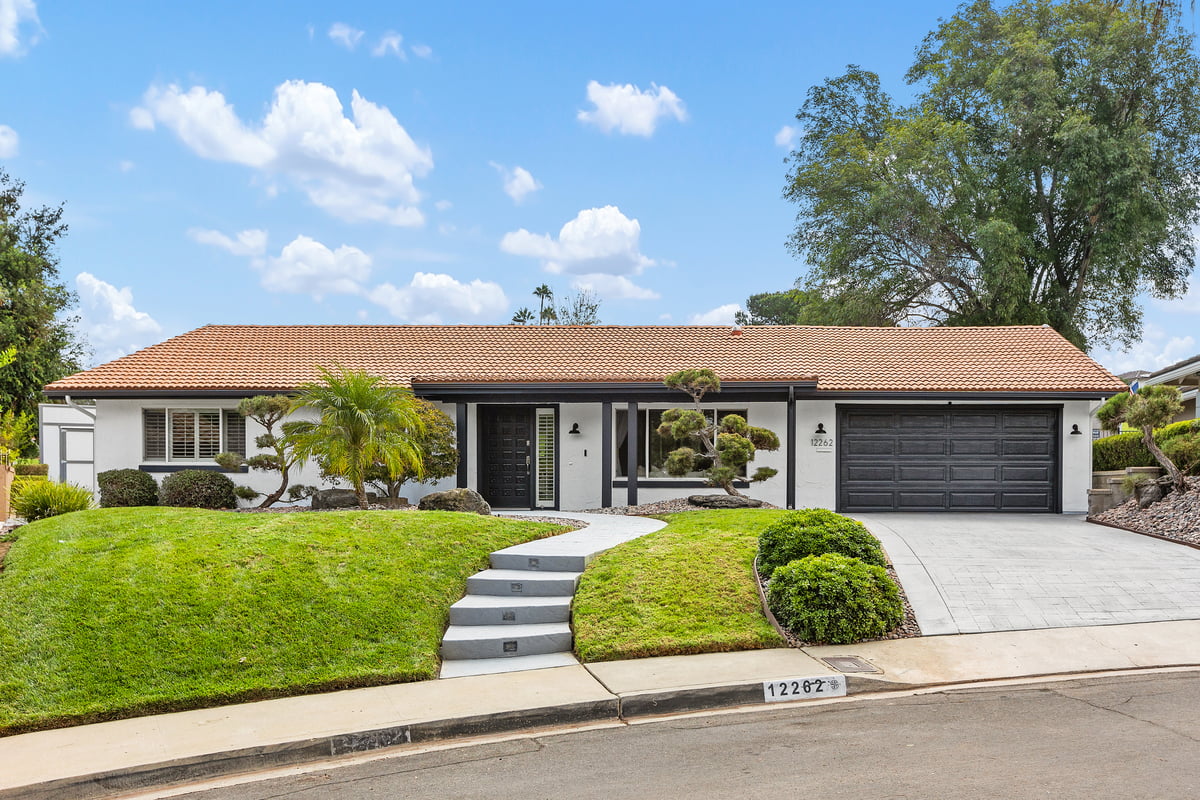
Discover a single level Rancho Bernardo home overlooking the 13th hole, with recent upgrades, flexible living space, and a sought after San Diego lifestyle.
Real Estate
Kimberly Koll
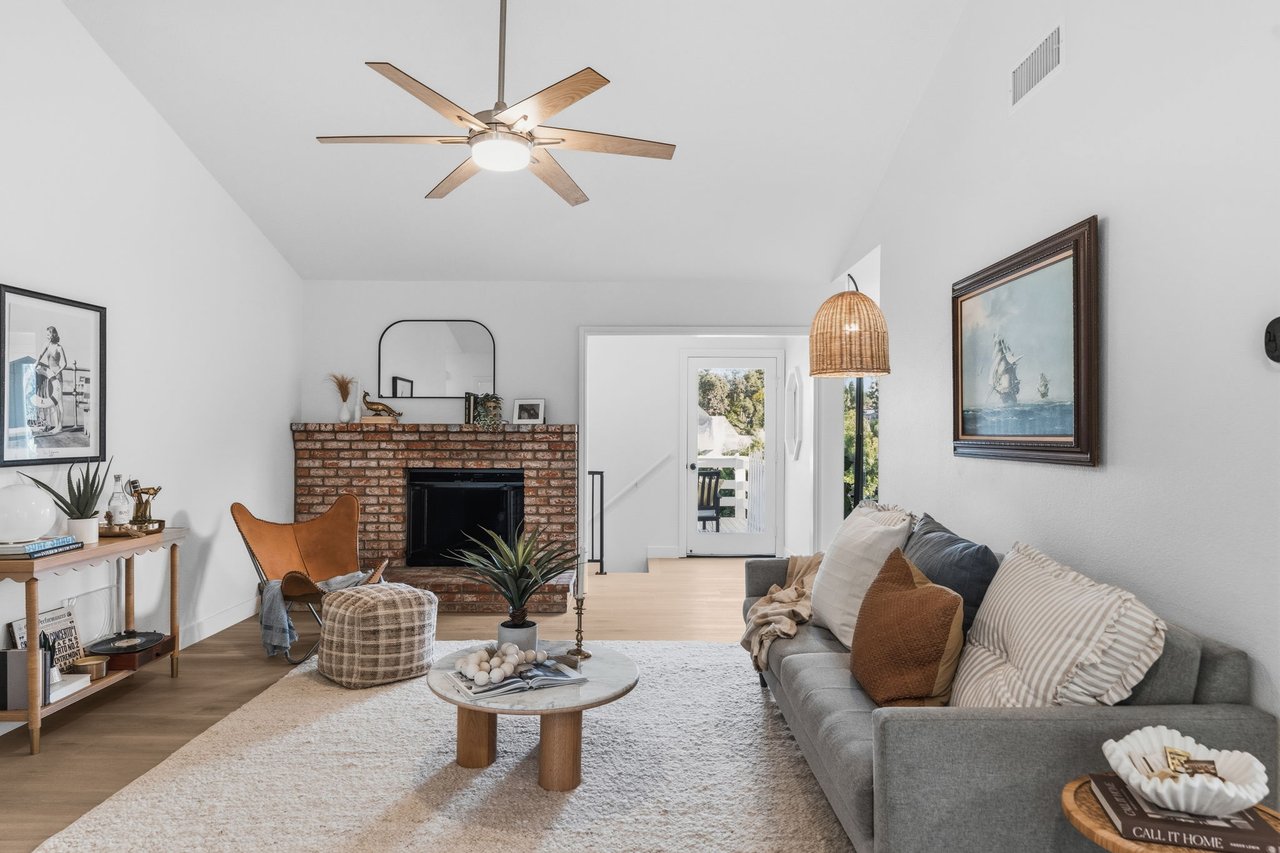
What San Diego buyers should know about 2027 mortgage rate forecasts, affordability, inventory, and the best time to make a move.

Real Estate
Kimberly Koll
Zone 0 and Real Estate in San Diego
Real Estate
Kimberly Koll
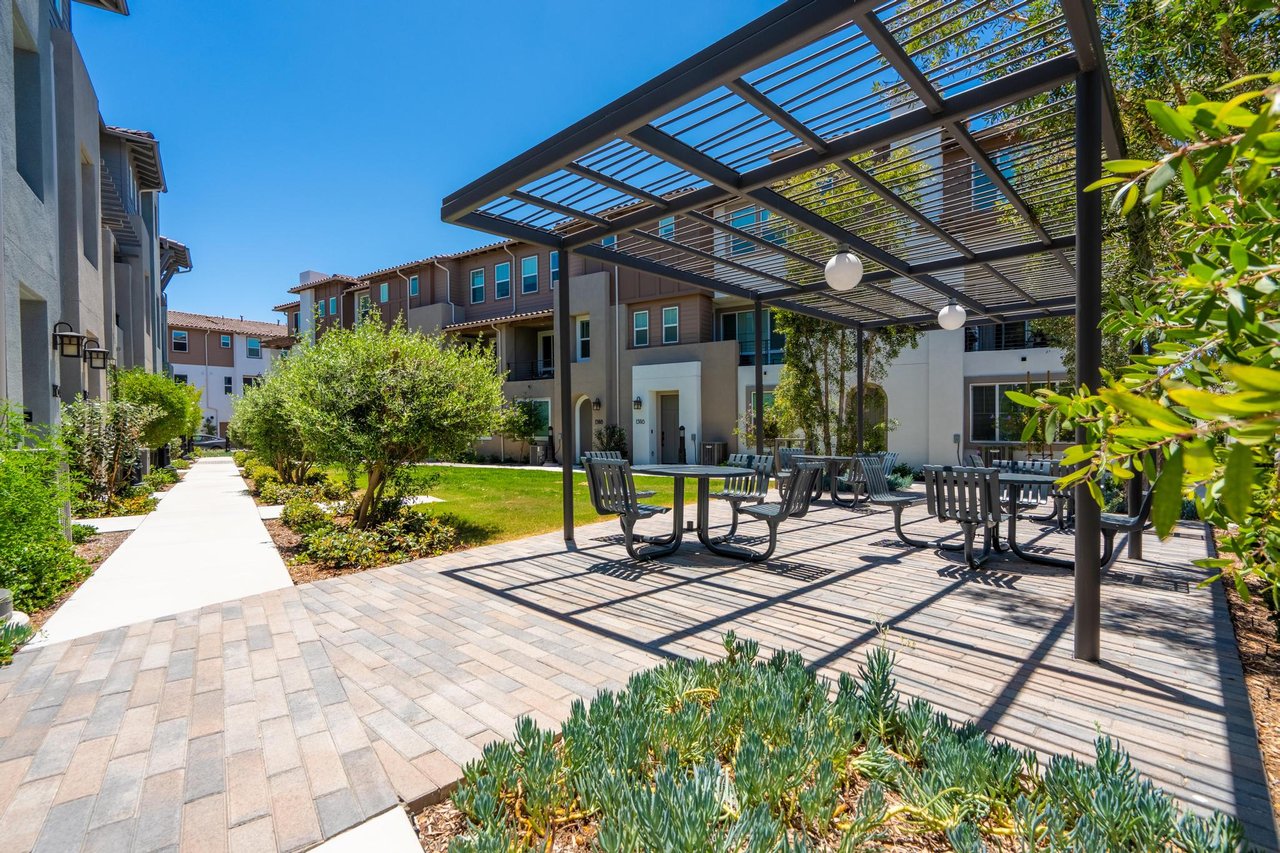
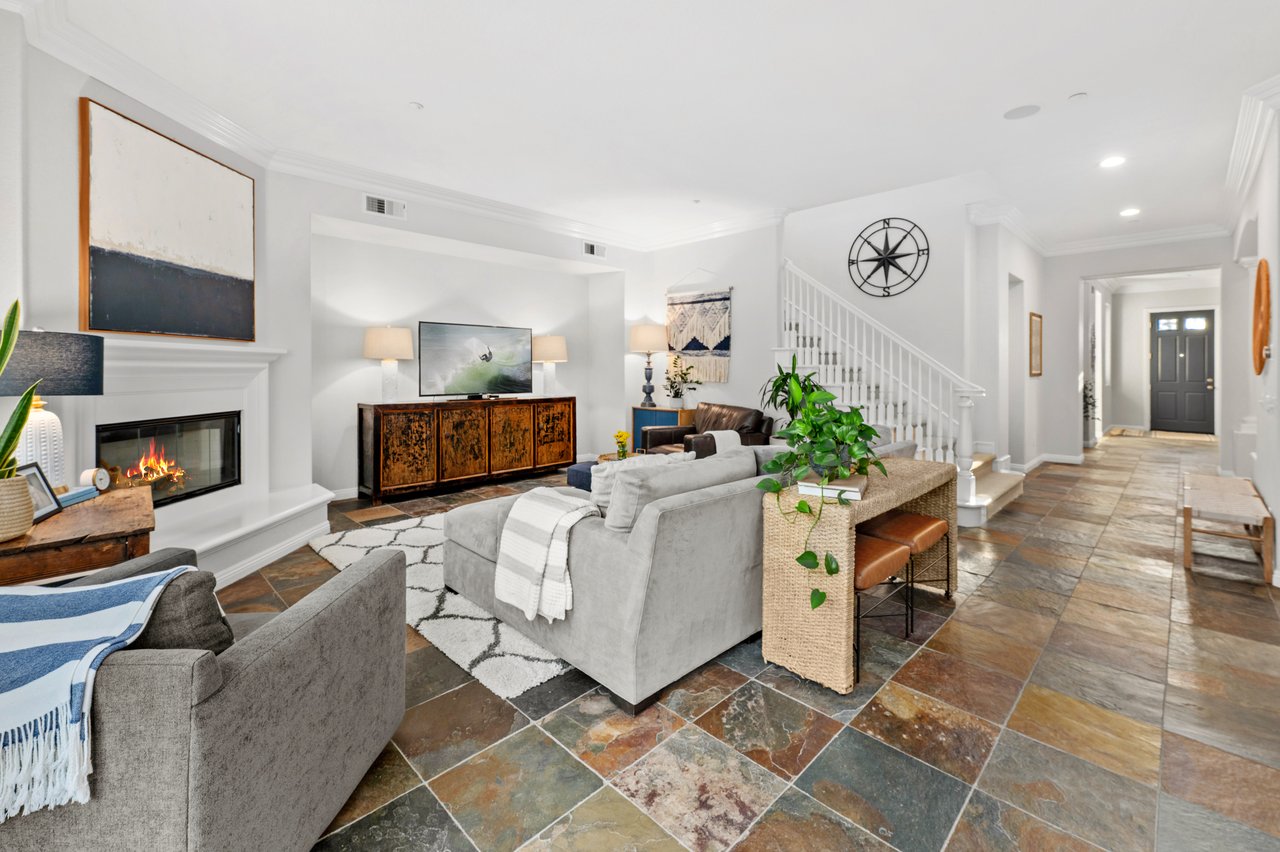
A step by step guide to the escrow process, timelines, and what buyers and sellers should expect
Real Estate
Kimberly Koll
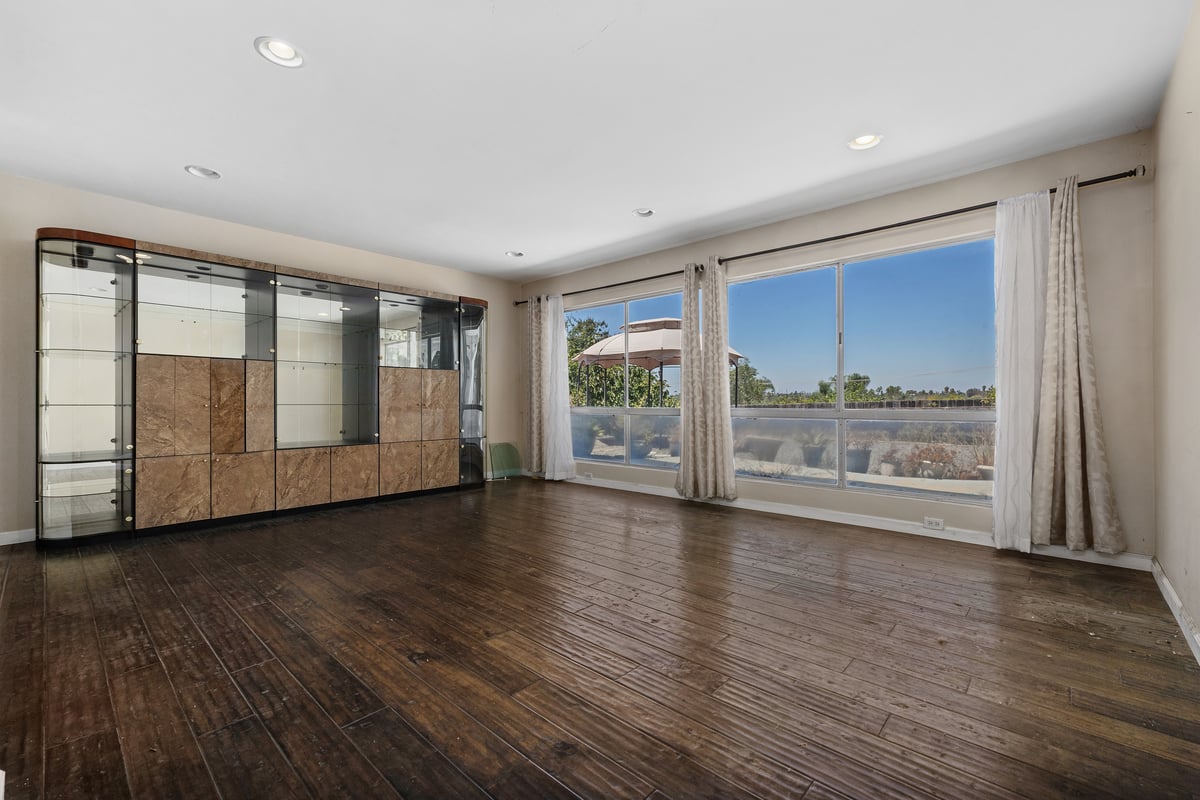
The highest impact updates that can help your home sell faster and for more in today’s San Diego market
Real Estate
Kimberly Koll
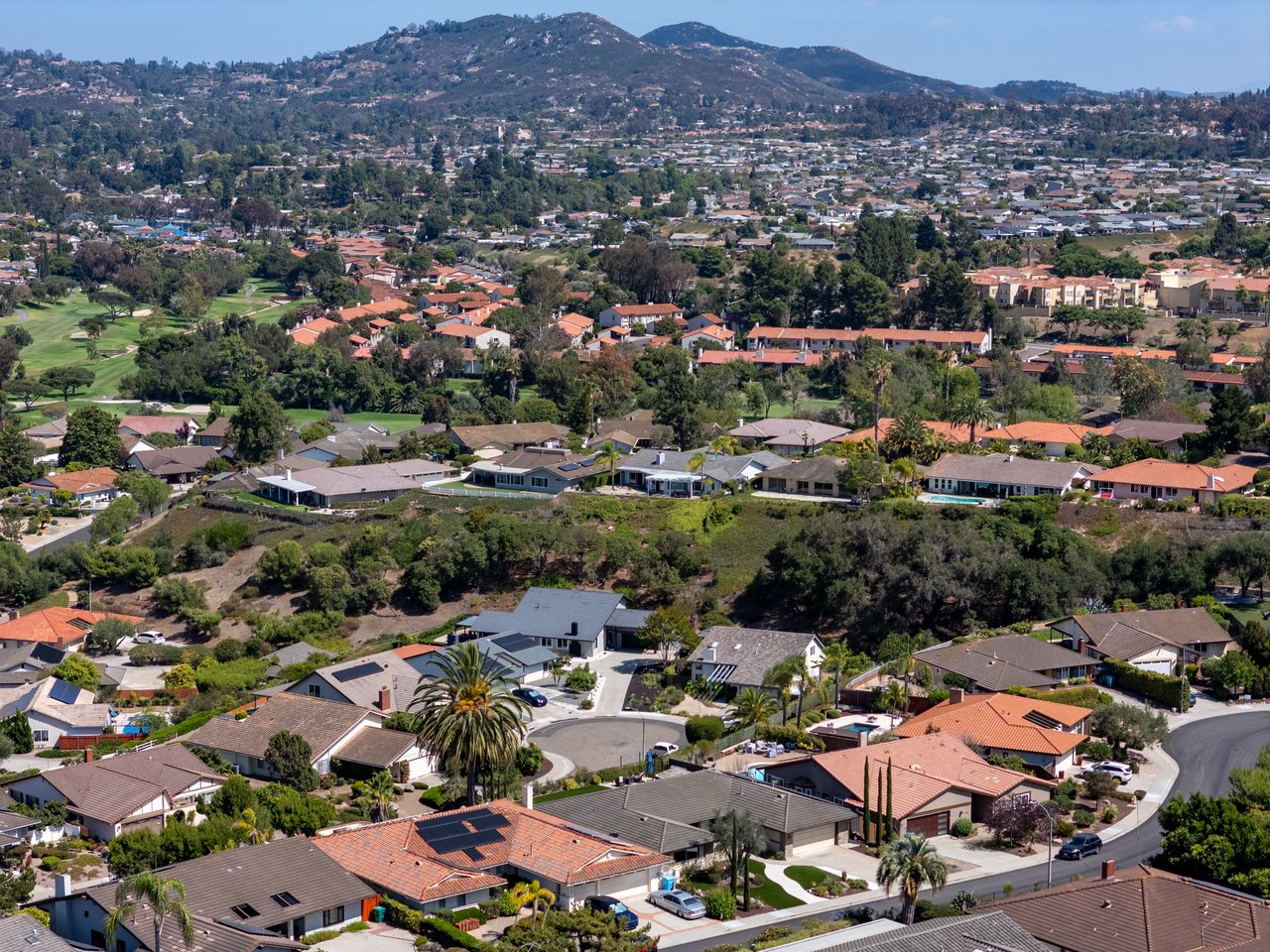
The smart fixes that can help your home sell faster and attract stronger offers in today’s market
Real Estate
Kimberly Koll
A practical guide to home affordability, income requirements, and the best neighborhoods for buyers in San Diego

Real Estate
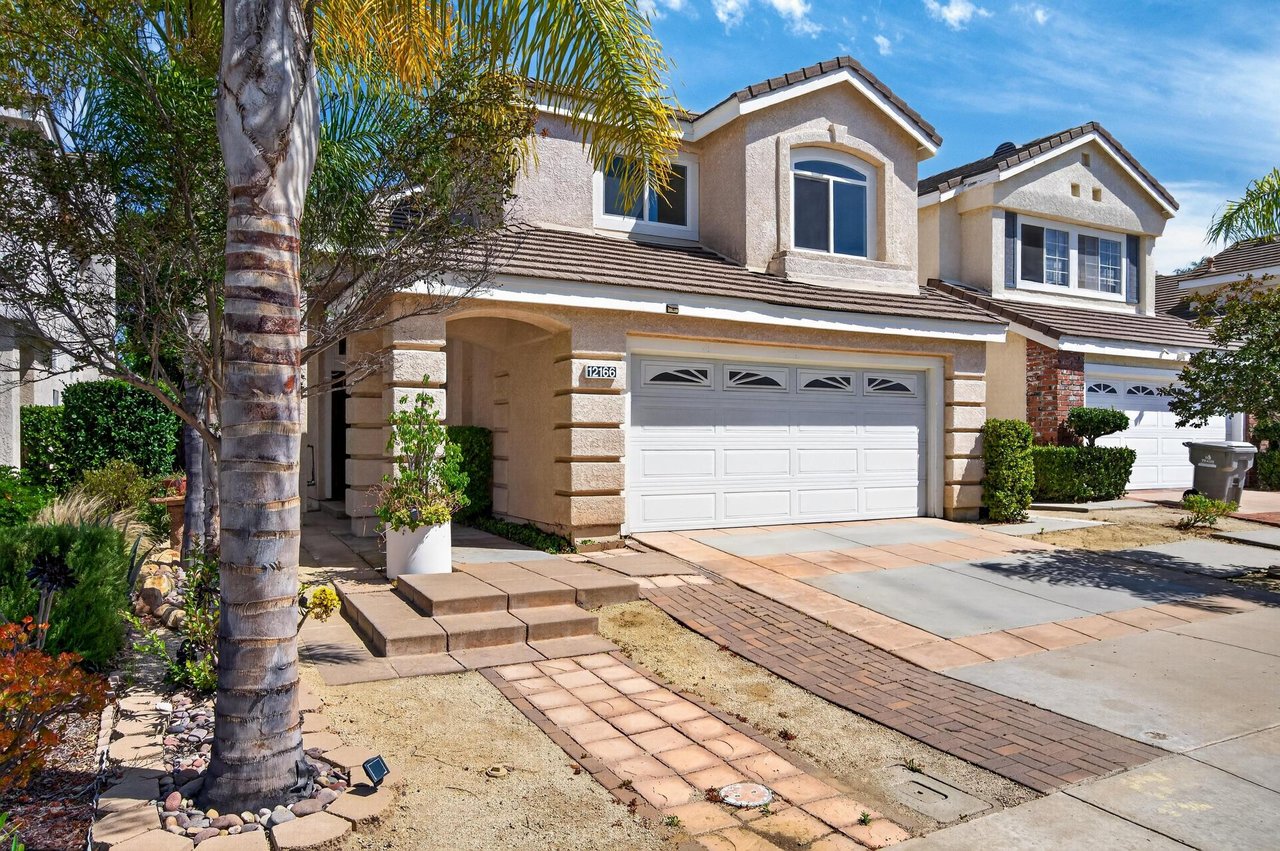
Simple, high impact steps to help your home sell faster and for more in San Diego’s competitive market
Real Estate
Kimberly Koll
How to Afford, Find, and Close on Your First Home in America’s Finest City
Get in Touch
You’ve got questions and we can’t wait to answer them.
Get In Touch

HERITAGE HOMES SAN DIEGO
Kimberly Koll | DRE# 01506747
CONTACT
ADDRESS
16776 Bernardo Center Dr, #110D
San Diego, CA 92128