Zone Zero in San Diego, California: What Homeowners Need to Know in 2026
San Diego
San Diego
San Diego's breathtaking landscapes, perfect weather, and thriving job market make it one of California's most desirable places to live, but wildfire risk is a real concern for homeowners, especially in hillside neighborhoods like La Jolla, Rancho Santa Fe, Scripps Ranch, and Poway. In 2026, the state is implementing new Zone Zero defensible space regulations to build wildfire resilience and protect homes. Understanding these requirements is essential for anyone buying, selling, or living in San Diego homes for sale, particularly in wildfire prone areas.
The California Board of Forestry and Fire Protection recently released the latest draft of Zone Zero regulations, prioritizing education and outreach over penalties. This means homeowners have time to comply while the focus remains on building wildfire resilience rather than punishment. Whether you're moving to San Diego or already a resident, knowing what Zone Zero means for your property helps protect your home and maintain its value.
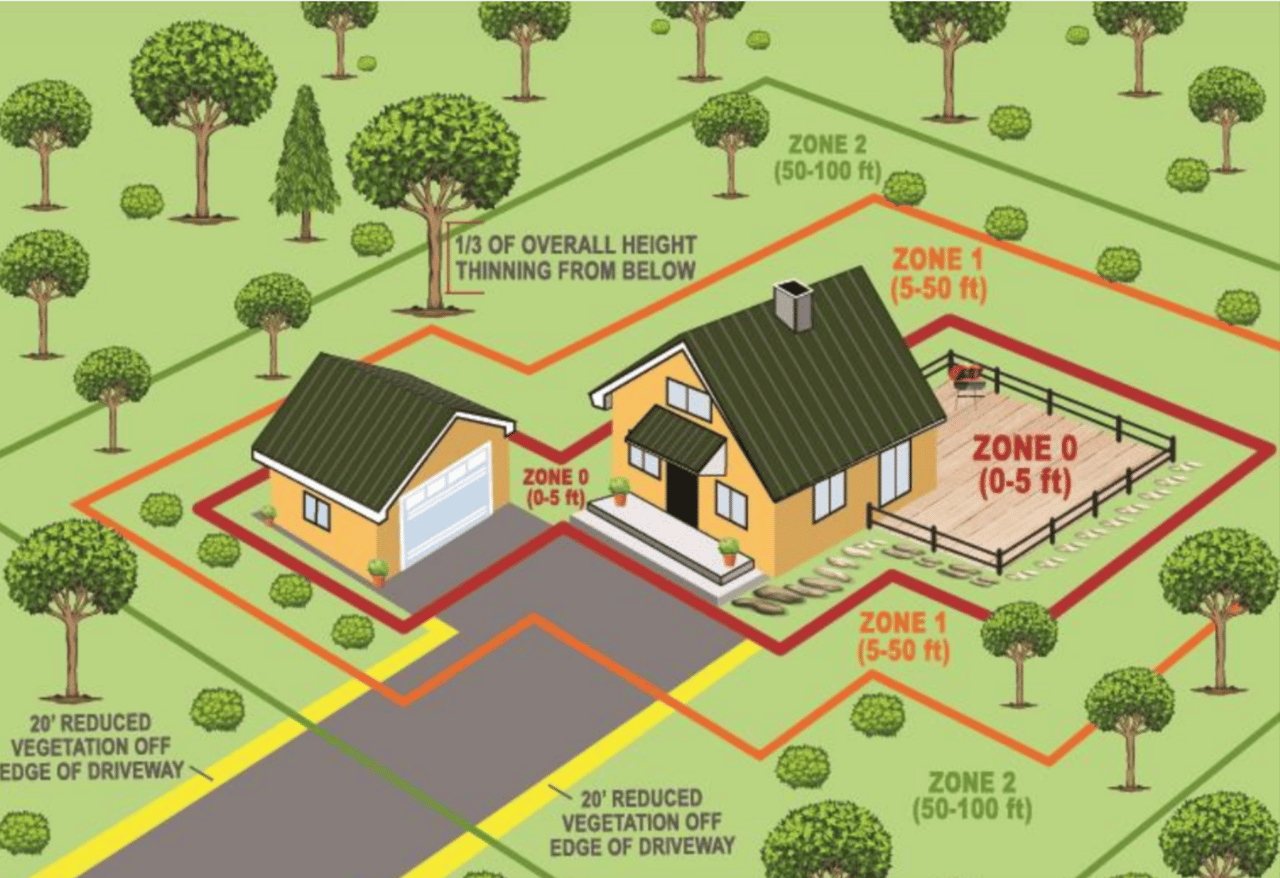
Zone Zero is the 0–5 foot area immediately surrounding your home, also called the "home ignition zone." This is the most critical area for wildfire protection because embers and flames first reach your property here. If combustible materials exist in Zone Zero, your home becomes much more vulnerable to ignition during a wildfire.
Zone Zero is part of a larger defensible space concept that includes three zones:
Zone Zero (0–5 feet): Immediate area around your home most critical
Zone 1 (5–30 feet): Extended defensible space
Zone 2 (30–100 feet): Reduced fuel area for bigger properties
The new regulations focus specifically on Zone Zero because research shows homes with proper 0–5 foot clearance have significantly higher survival rates during wildfires.
Under the new state mandated regulations, Zone Zero requires removing all combustible materials within 0–5 feet of your home. This includes:
Dead vegetation: All dead plants, leaves, grass within 5 feet
Wood piles: Firewood, lumber, and wooden debris must be stored outside Zone Zero
Combustible roofing: Replace wood shake or other combustible roofing with fire-resistant materials
Flammable materials: Gas cans, propane tanks, and other flammables must be stored outside the 5-foot zone
Thick mulch: Replace wood mulch with non combustible options like gravel, stone, or decomposed granite within 5 feet
Dead trees: Remove any dead trees or large branches that could fall on your home
Non-combustible plants: Well maintained, drought tolerant vegetation with low fire risk
Gravel or stone: Non combustible ground cover
Metal or composite decking: Fire resistant materials
Properly maintained landscaping: Healthy, irrigated plants with minimal dead material
The goal is creating a non combustible buffer that prevents embers from igniting materials near your home.
Zone Zero requirements are set to go into effect in 2026. The California Board of Forestry and Fire Protection released the latest draft prioritizing education and outreach over penalties, giving homeowners time to comply before enforcement begins.
This approach recognizes that many San Diego homeowners may not yet be aware of the requirements and need time to make necessary changes. The focus is on building wildfire resilience rather than punishing non compliance immediately.
Zone Zero requirements apply to all San Diego properties, but certain neighborhoods face higher wildfire risk and will be priority areas for compliance:
Rancho Santa Fe: Mountainous terrain, heavy vegetation, high wildfire risk
Poway: Hillside properties with chaparral vegetation
Scripps Ranch: Semi rural properties near wildland areas
La Jolla: Hillside estates with coastal chaparral
Carmel Valley: New development near wildland interfaces
Mission Trails: Properties adjacent to regional park wilderness
Blue Ridge: Rural hillside community with wildfire exposure
Ascot: Rural area near wildlife zones
Clairemont: Some hillside properties
Linda Vista: Transitional areas near open space
Mission Valley: Lower risk but still subject to regulations
North Park: Urban area with minimal wildfire risk but regulations apply
Even urban neighborhoods like Mission Valley, North Park, and Gaslamp Quarter must comply, though wildfire risk is lower. The regulations apply statewide to ensure consistent protection.
San Diego has experienced devastating wildfires in recent decades, including the 2007 Antelope Hills Fire, 2018 Malibu Fire, and 2020 Creek Fire. Homes with proper defensible space, especially Zone Zero clearance, have significantly higher survival rates during wildfires.
Homes that comply with wildfire safety regulations are more attractive to buyers. Insurance companies may also offer better rates for properties with proper defensible space. Non compliant homes could face difficulty selling or higher insurance costs.
Many homeowners insurance providers in California now require defensible space compliance. Some may even deny coverage for properties that don't meet Zone Zero requirements. Proper compliance can help you maintain or reduce insurance premiums.
Wildfires spread quickly. A home that ignites can become an ember source for neighboring properties. By maintaining Zone Zero, you're protecting not just your home but the entire community.
San Diego is committed to climate resilience and sustainability. Zone Zero requirements align with the city's broader goals for wildfire prevention and environmental protection.
While understanding Zone Zero is critical for safety, many buyers also want to know about San Diego's cost of living before making the move.
San Diego's overall cost of living is 46–47% higher than the national average. Housing is 110–112% more expensive, utilities are 48–49% higher, and transportation is 42–43% above national norms. Groceries are about 11–13% higher, and healthcare is roughly 2% higher.
Median home price: $929,083 (range: $880K–$1.1M)
Average home value: $1,006,261 (down 2.9% year-over-year)
Average rent: $3,059/month (59% above national average)
1-bedroom rent: $2,332/month
2-bedroom rent: $3,100–$3,156/month
3-bedroom rent: $3,895–$4,778/month
Average salary: $72,237/year ($34.73/hour)
Median salary: $78,556
Median household income: $104,321
To comfortably afford the median San Diego home at $929K, you typically need an annual income of $185,000–$220,000 with a 20% down payment.
A strong job market is one reason people continue moving to San Diego despite higher costs. The city's economy is diversified across healthcare, biotech, defense, technology, and tourism.
Healthcare employers include UC San Diego Health, Sharp HealthCare, Scripps Health, Rady Children's Hospital with salaries ranging from $70,000–$150,000+. Biotech companies like Illumina, Dexcom, Neurocrine, Halozyme pay $90,000–$200,000+. Defense employers including General Atomics, Northrop Grumman, U.S. Navy offer $75,000–$180,000+. Technology companies like Qualcomm, Cisco, ServiceNow pay $85,000–$220,000+.
Healthcare and biotech added 17,000+ jobs recently, making these sectors the most stable for employees and homeowners.
Walk around your home and identify all combustible materials within 0–5 feet. Look for dead vegetation, wood piles, combustible roofing, and flammable storage.
Clear all dead plants, leaves, grass, and branches within 5 feet of your home. This is the easiest and most important first step.
Within 5 feet, replace wood mulch with non-combustible options like gravel, stone, decomposed granite, or concrete.
Store firewood, lumber, and wooden debris at least 5 feet away from your home, ideally 30+ feet for maximum safety.
If you have wood-shake or other combustible roofing, replace it with fire-resistant materials like tile, metal, or asphalt shingles rated Class A.
Gas cans, propane tanks, and other flammable materials must be stored outside the 5-foot zone.
Keep vegetation within Zone Zero well maintained, irrigated, and free of dead material. Choose drought-tolerant, low fire risk plants.
Consider hiring a landscape professional or vegetation management service familiar with Zone Zero requirements. Many San Diego companies specialize in wildfire resistant landscaping.
Ask about Zone Zero compliance during your home tour
Check insurance requirements for defensible space
Budget for upgrades if the property isn't compliant
Consider wildfire risk when choosing neighborhoods
Work with a local agent who understands Zone Zero (like Heritage Homes RE)
Comply with Zone Zero before listing to avoid delays
Document compliance with photos for buyer confidence
Highlight wildfire resilience in your listing description
Update roofing and landscaping if needed
Knowing Zone zero requirements can make your home more attractive to safety-conscious buyers
Yes. Mortgage rates are expected to drop to 5.5–6.4%, inventory is up 14.1%, 15.3% of listings have price cuts, and 3–5% appreciation is forecast. The market is the most balanced in almost a decade.
Understanding Zone Zero requirements is one more reason to work with a local San Diego expert who can guide you through wildfire safety, insurance, and neighborhood selection.
Zone Zero regulations are an important consideration for anyone buying, selling, or living in San Diego, especially in wildfire prone neighborhoods like Rancho Santa Fe, Poway, Scripps Ranch, and La Jolla. By complying with defensible space requirements, you protect your home, maintain property value, and contribute to community safety.
Heritage Homes RE is your trusted local partner for:
✅ Finding homes for sale in San Diego that comply with Zone Zero
✅ Guiding you through wildfire safety requirements in high risk neighborhoods
✅ Connecting you with vegetation management professionals for compliance
✅ Understanding insurance implications for wildfire zones
✅ Providing neighborhood expertise from La Jolla to Poway to Scripps Ranch
Contact Heritage Homes RE today for a free consultation about buying or selling in San Diego's wildfire conscious market. Let us help you find the perfect home while ensuring it meets Zone Zero requirements.
📞 Call or text us or visit
to get started.
Zone Zero is the 0–5 foot area immediately surrounding your home, also called the "home ignition zone." Under new California regulations, it requires removing all combustible materials including dead vegetation, wood piles, and combustible roofing to reduce wildfire risk.
Zone Zero requirements are set to go into effect in 2026. The California Board of Forestry and Fire Protection released the latest draft prioritizing education and outreach over penalties, giving homeowners time to comply.
Zone Zero requires removing all combustible materials within 0–5 feet of your home: dead vegetation, wood piles, combustible roofing, and storing flammable materials outside this zone. The focus is on education and wildfire resilience rather than penalties.
High-risk areas: Rancho Santa Fe, Poway, Scripps Ranch, La Jolla, Carmel Valley, Mission Trails, Blue Ridge, Ascot. Regulations apply to all San Diego properties, but hillside and rural neighborhoods face higher wildfire risk.
Yes. Zone Zero requirements apply statewide to all San Diego properties, including urban neighborhoods like Mission Valley, North Park, and Gaslamp Quarter. However, wildfire risk is lower in these areas.
Non-combustible plants (well maintained, drought tolerant), gravel or stone, metal or composite decking, and properly maintained landscaping with healthy, irrigated plants and minimal dead material are allowed in Zone Zero.
Remove dead vegetation, wood piles, combustible roofing, flammable materials (gas cans, propane tanks), and thick wood mulch within 5 feet of your home.
The California Board of Forestry and Fire Protection is prioritizing education and outreach over penalties in 2026. Homeowners have time to comply before enforcement begins, with the focus on building wildfire resilience.
Many homeowners insurance providers in California now require defensible space compliance. Some may deny coverage for non-compliant properties. Proper Zone Zero compliance can help maintain or reduce insurance premiums.
Yes. Homes that comply with wildfire safety regulations are more attractive to buyers. Proper Zone Zero compliance can maintain or increase property value while non compliant homes may face difficulty selling.
Yes. You can have non combustible, drought tolerant plants that are well-maintained, irrigated, and free of dead material within Zone Zero. Avoid wood mulch and choose gravel, stone, or decomposed granite.
The San Diego Fire-Rescue Department offers resources at sandiego.gov/fire/community-risk-reduction/defensible-space-property-owners. The California Board of Forestry and Fire Protection prioritizes education and outreach. Local vegetation management companies specialize in wildfire-resistant landscaping.
Stay up to date on the latest real estate trends.
Real Estate
Kimberly Koll
A practical guide to home affordability, income requirements, and the best neighborhoods for buyers in San Diego
Real Estate
Simple, high impact steps to help your home sell faster and for more in San Diego’s competitive market
Real Estate
Kimberly Koll
How to Afford, Find, and Close on Your First Home in America’s Finest City

Real Estate
Kimberly Koll
Explore expert predictions for home prices, mortgage rates, inventory levels, and the top San Diego neighborhoods expected to thrive in 2027.
Real Estate
Kimberly Koll
A Complete Guide to Home Affordability in San Diego's High Cost Market

Real Estate
Kimberly Koll
Browse, Compare, and Find Your Dream Home Faster with These Essential Mobile Tools

Real Estate
Kimberly Koll
Perfect Weather, Top Rated Schools, and a Thriving Job Market Make San Diego a Top Relocation Destination

Real Estate
Kimberly Koll
Expert Analysis on Mortgage Rates, Home Price Forecasts, and San Diego Market Opportunities
San Diego
Kimberly Koll
New Wildfire Defensible Space Regulations Protect Your Home and Property Value
Get in Touch
You’ve got questions and we can’t wait to answer them.
Get In Touch

HERITAGE HOMES SAN DIEGO
Kimberly Koll | DRE# 01506747
CONTACT
ADDRESS
16776 Bernardo Center Dr, #110D
San Diego, CA 92128