First Time Home Buyer’s Guide to San Diego
Real Estate
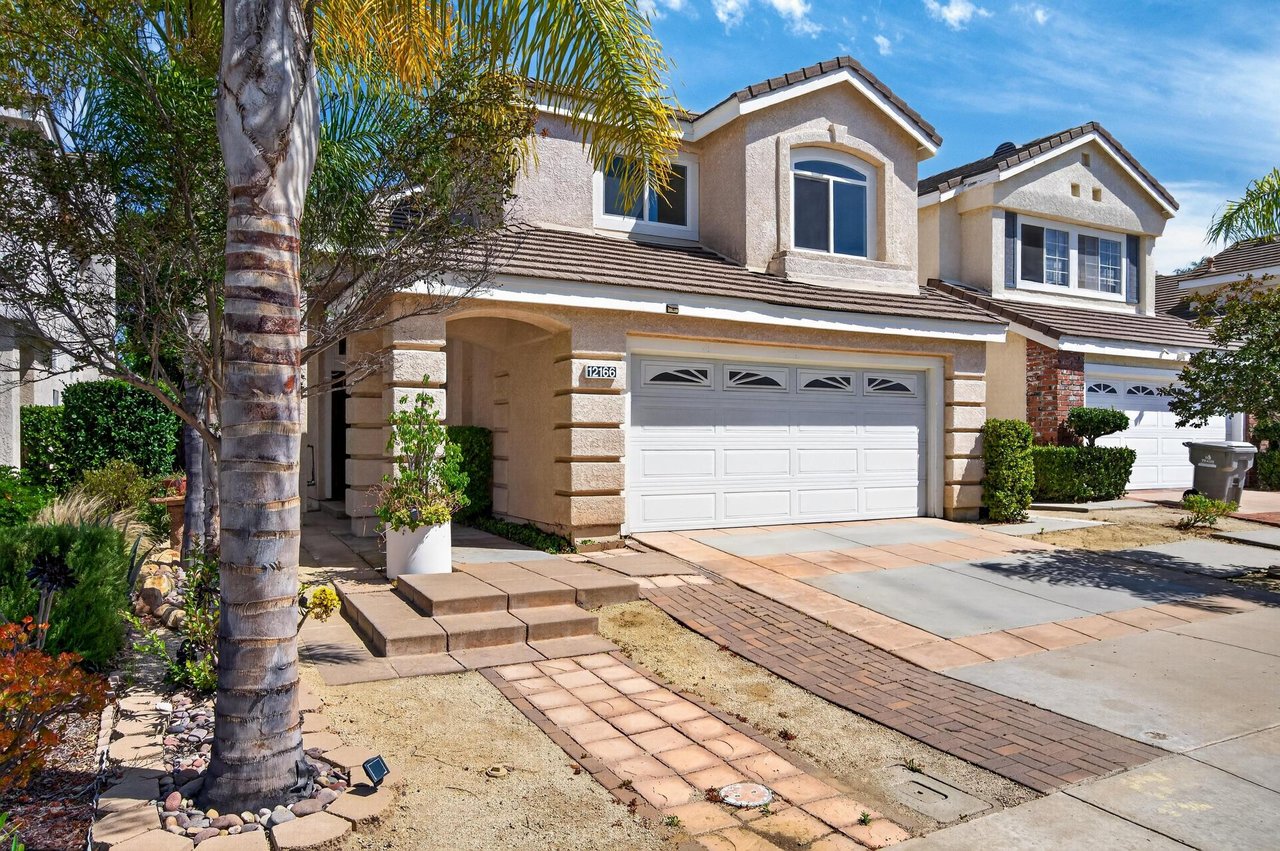
Real Estate
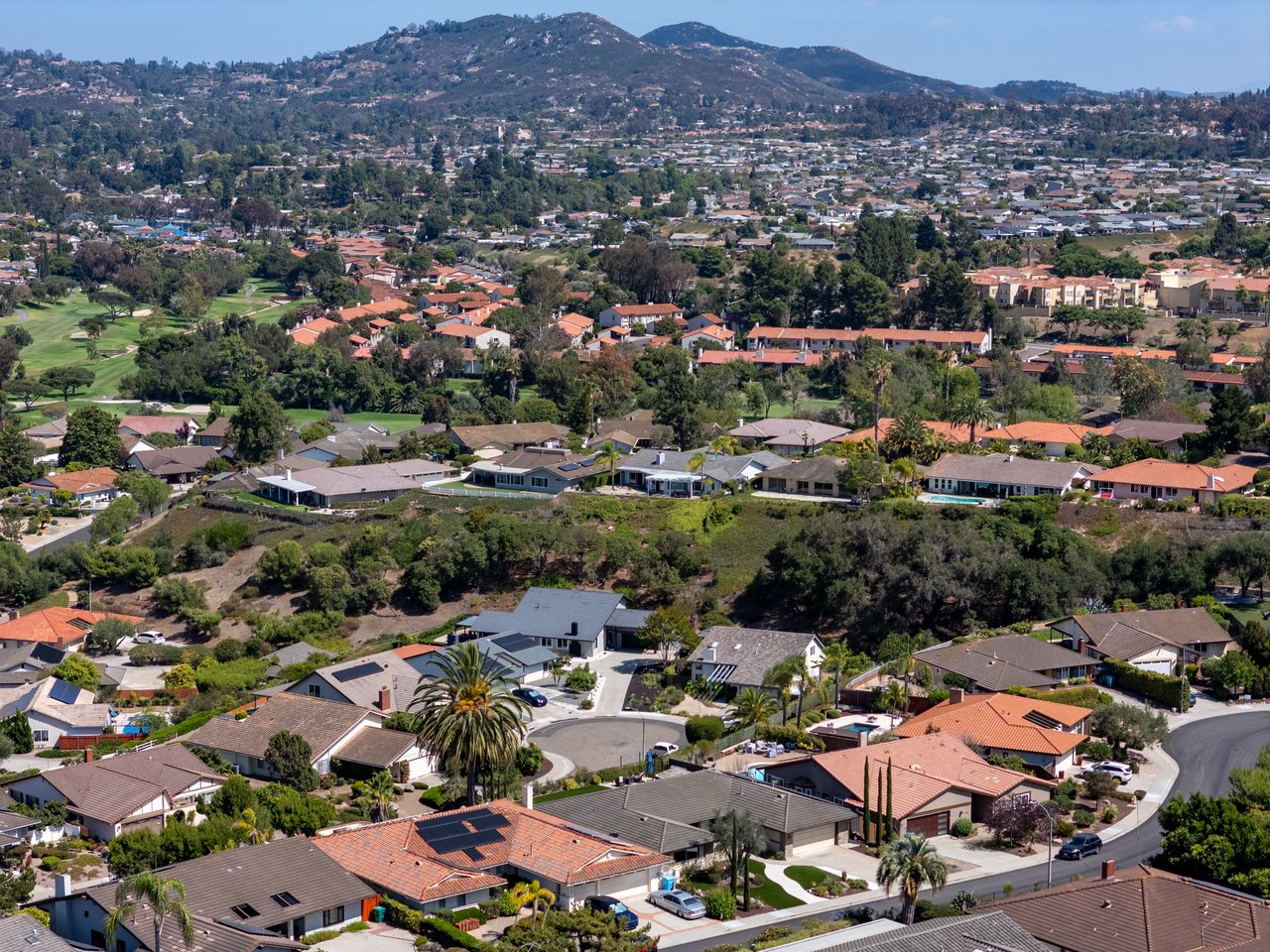
Buying your first home in San Diego is exciting and a little intimidating. The beaches, weather, job market, and lifestyle are world class, but so are the prices. This guide breaks down what first time buyers really need to know: how much homes cost, what income you may need, which neighborhoods to consider, and the programs that can help you afford a home in San Diego.
Whether you already live here or you’re moving to San Diego from out of state, this step by step overview will help you understand the cost of living, local real estate trends, and the buying process so you can make smart decisions.
People are drawn to San Diego, California for more than just the ocean views. First time buyers often choose this metro over other cities because:
The weather is mild year round, with outdoor living built into everyday life.
There is a diverse job market in tech, biotech, defense, tourism, and education.
Many communities feel like permanent vacation towns (think Pacific Beach, La Jolla, Coronado).
It offers big city amenities with a more relaxed pace than Los Angeles.
There are strong schools in districts like Poway Unified and San Dieguito Union.
Long term, San Diego real estate has a history of strong price appreciation.
For first time buyers, that means your quality of life is high, and your home is also likely to be a long‑term asset if you buy wisely and hold.
In a word: yes but it’s also one of the most desirable places to live on the West Coast.
Here’s the big picture many first time buyers look for when they search “Is San Diego expensive?” or “cost of living in San Diego”:
Overall cost of living: significantly above the U.S. average.
Housing: the single largest expense, far above national norms.
Everyday costs (groceries, gas, eating out): typically moderately higher than the U.S. average.
Utilities and transportation: also higher than national averages, especially if you commute by car.
This doesn’t mean you can’t buy here; it means you need a realistic budget and a clear picture of what you’re trading off (commute, size, proximity to the beach) to make San Diego home.
When people search “How much does a house cost in San Diego?”, they’re usually trying to answer: Can I actually buy here as a first time buyer?
You’ll see a range, but for a current, realistic snapshot:
Median home price: typically in the high $800,000s to low‑$900,000s, often quoted around the $900K+ mark, depending on the source and month.
Entry level condos/townhomes: sometimes in the $500K–$700K range in more central or inland areas.
Detached single‑family homes near the coast: commonly $1M+, especially in areas like La Jolla, Pacific Beach, Point Loma, Coronado.
Detached homes further inland or south: often somewhat more affordable in communities like Chula Vista, National City, parts of Clairemont, Mira Mesa, Santee, El Cajon.
For first time buyers, that often means:
Condos and townhomes as a more achievable first step.
Looking slightly inland instead of oceanfront.
If you’re currently renting in San Diego, you’re probably feeling the monthly payment already rents in many neighborhoods rival mortgage payments.
Typical patterns you’ll see locally:
One bedroom apartments in popular areas often reach into the mid $2,000s per month or higher.
Two bedroom units can easily land in the $3,000+ per month range.
Larger rentals or single family homes in coastal or central areas may go well above that.
As a first time buyer, the main question is: If I’m already paying high rent, does it make sense to redirect that money into a mortgage and equity?
Buying may make more sense if:
You plan to stay in San Diego at least 5–7 years.
You have (or can build) a down payment and emergency savings.
Your income is relatively stable in a strong local industry.
You’re okay starting with a smaller or less “perfect” home (condo, townhome, or inland property).
Lenders look at your debt to income ratio (DTI), credit score, and down payment amount not just your salary. But broadly, first time buyers asking “What salary do I need to buy a house in San Diego?” should consider these rough guideposts:
To comfortably afford a home near the median price, many buyers will need a six figure household income, especially if buying a single family home.
With a larger down payment or a condo/townhome at a lower price point, buyers with more modest incomes can still get in.
First time buyer programs (below) can help bridge the gap if your income is solid but your savings are thinner.
Because everyone’s situation is different (student loans, car payments, etc.), getting pre approved with a local lender early is one of the smartest first steps.
When you’re calculating your monthly payment, don’t forget the rest of the San Diego lifestyle budget:
Utilities: Higher than the national average, especially in larger homes or older buildings without updates.
Groceries: Often slightly higher than typical U.S. cities, especially at coastal or boutique markets.
Transportation: Many residents commute by car; factor in gas, insurance, parking, and tolls if applicable.
Healthcare: In line with other major California metros; many residents are covered through local employers such as UC San Diego Health or Sharp HealthCare.
Entertainment: San Diego offers endless options Padres games, Balboa Park, the Zoo, SeaWorld, beaches, dining in Little Italy and Gaslamp so build some fun into your budget.
A realistic first‑time buyer budget includes mortgage + taxes + insurance + HOA (if any) + utilities + transportation + lifestyle—not just principal and interest.
A big reason first time buyers feel confident purchasing in San Diego County is the diverse job base.
Key industries and employers include:
Biotech & Life Sciences: Companies like Illumina, Dexcom, Neurocrine attract highly skilled workers to UTC, Torrey Pines, Sorrento Valley.
Technology & Telecom: Qualcomm and other tech firms provide strong incomes for buyers in areas like Sorrento Valley, Mira Mesa, Carmel Valley.
Healthcare: Major systems such as UC San Diego Health, Sharp HealthCare, Scripps Health, Rady Children’s Hospital support stable employment across the metro.
Defense & Aerospace: The U.S. Navy, Marine bases, and companies like General Atomics and Northrop Grumman provide thousands of jobs.
Education & Research: UC San Diego, San Diego State University, University of San Diego draw faculty, staff, and researchers.
For first‑time buyers, a strong local job base means greater long‑term stability and often better chances of income growth over time.
Every buyer is different, but these San Diego neighborhoods and nearby cities often come up in first‑time buyer conversations thanks to a balance of price, location, and lifestyle:
Clairemont / Bay Ho (92117): Central location between beaches and freeways, mix of older homes and some more affordable options compared to La Jolla or Pacific Beach.
Mira Mesa (92126): Popular with tech and biotech employees; relatively more attainable pricing with good freeway access.
Mission Valley (92108): Condo heavy, very central, great for buyers who prioritize convenience and amenities over large yards.
Linda Vista (92111): Close to USD, with a growing appeal and some more accessible price points.
North Park & Normal Heights (92104 / 92116): Trendy, walkable, with condos and smaller homes that sometimes work for first time urban buyers.
Chula Vista (91910 / 91913 / 91915): South Bay city with newer developments, townhomes, and single family homes that can be more affordable than some central/coastal areas.
Santee, El Cajon, La Mesa (East County): Inland suburbs where your budget may stretch further, especially for single‑family homes and yards.
A local agent can help you match your budget, commute, and lifestyle to the right short list of neighborhoods.
You don’t have to do this alone or with a 20% down payment. Many first‑time home buyer programs in San Diego and California can help:
CalHFA programs: State‑level down payment assistance loans for qualifying first‑time buyers.
Local city/county assistance: Depending on funding cycles, certain San Diego city or county programs offer down payment or closing cost help.
FHA loans: Allow down payments as low as 3.5% for buyers who qualify.
VA loans: For eligible veterans and active‑duty service members, often 0% down with no mortgage insurance.
Conventional 3%–5% down options: Many lenders offer low‑down‑payment conventional loans if your credit and income profile qualify.
A smart first step is to speak with a local lender who regularly works with San Diego first‑time buyers, so they can evaluate which mix of programs fits you best.
Decide when you’d like to buy (for example, within 6–12 months) and what monthly payment range feels comfortable, considering all your expenses.
This tells you exactly what you can afford and makes your offers stronger. In a competitive market, pre approval is not optional it’s essential.
Work with a San Diego‑based agent to shortlist neighborhoods that match your budget, commute, and lifestyle: maybe Mission Valley for convenience, Chula Vista for value, or North Park for walkability.
Expect to adjust your wish list. Many first time buyers trade off square footage or yard size for a better location or vice versa.
In popular areas, you may be competing with multiple buyers. A knowledgeable local agent can help you decide when to be aggressive and when to walk away.
This is where having representation you trust makes a huge difference. You’ll want guidance on what’s normal in San Diego (older roofs, coastal moisture issues, etc.) and what’s a red flag.
Once you close, focus on:
Building an emergency fund for home repairs.
Handling basic maintenance (HVAC servicing, roof checks, landscaping).
Considering future value (small improvements that boost resale down the line).
Visit in person if you can. Photos don’t always show freeway noise, flight paths, or micro climates (coastal fog vs. inland heat).
Test your commute. Drive your likely route during real rush hours.
Think long term, not just “right now.” Consider how long you’ll stay, future job changes, and whether you might want to start a family.
Be flexible. Your first home doesn’t have to be your forever home; it’s often your launchpad into the San Diego market.
Work with a truly local agent. Neighborhood level knowledge (street by street) matters here more than in many other metros.
At Heritage Homes RE, we specialize in guiding first‑time buyers through the entire process from initial “Can I even afford this?” questions to keys in hand.
We can help you:
Understand the real numbers behind the cost of living in San Diego for your situation.
Connect with trusted local lenders who know first time buyer programs.
Identify neighborhoods that actually fit your budget and lifestyle.
Find homes for sale in San Diego that you won’t always see on big national apps right away.
Negotiate wisely in a competitive market without overpaying unnecessarily.
Plan your first 1–3 years as a homeowner, thinking ahead to equity and future goals.
If you’re considering buying your first home in San Diego, you don’t have to figure it out alone.
Yes, if you have a realistic budget and time horizon. San Diego offers strong job markets, high quality of life, and historically solid long‑term appreciation, which can benefit first‑time owners over time.
San Diego is more expensive than the average U.S. city. Housing is the biggest factor, but utilities, groceries, and transportation are also higher than national averages, especially near the coast.
Many sources place the median home price in the high‑$800K to low‑$900K range, with condos and inland properties often less, and coastal single‑family homes frequently $1M+.
It depends on your debts, down payment, and property type. Many buyers aiming near the median home price will need a six‑figure household income, but condos or assistance programs can make ownership possible with less.
In the short term, renting can be cheaper from a cash and flexibility standpoint. Over the long term, buying can build equity especially if you plan to stay in San Diego for at least 5–7 years.
Areas often considered by first‑time buyers include Clairemont, Mira Mesa, Mission Valley, Linda Vista, North Park, Chula Vista, Santee, La Mesa, and El Cajon, depending on budget and commute.
Yes. Options may include CalHFA programs, local city/county assistance, FHA loans, VA loans for eligible buyers, and low down payment conventional loans. A local lender can help you see what you qualify for.
You don’t need 20% down. Many first‑time buyers use 3%–5% down conventional loans, 3.5% FHA, or 0% VA (for eligible borrowers). A larger down payment can lower your monthly payment and help offers stand out.
Once you’re pre approved, actively shopping, and under contract, the escrow period is often around 30 days. The full journey from first research to move in often takes a few months.
Heritage Homes RE can help you clarify your budget, connect you with lenders, target the right neighborhoods, find suitable homes, negotiate offers, and guide you from contract to closing with a focus on first‑time buyer education every step of the way.
Stay up to date on the latest real estate trends.
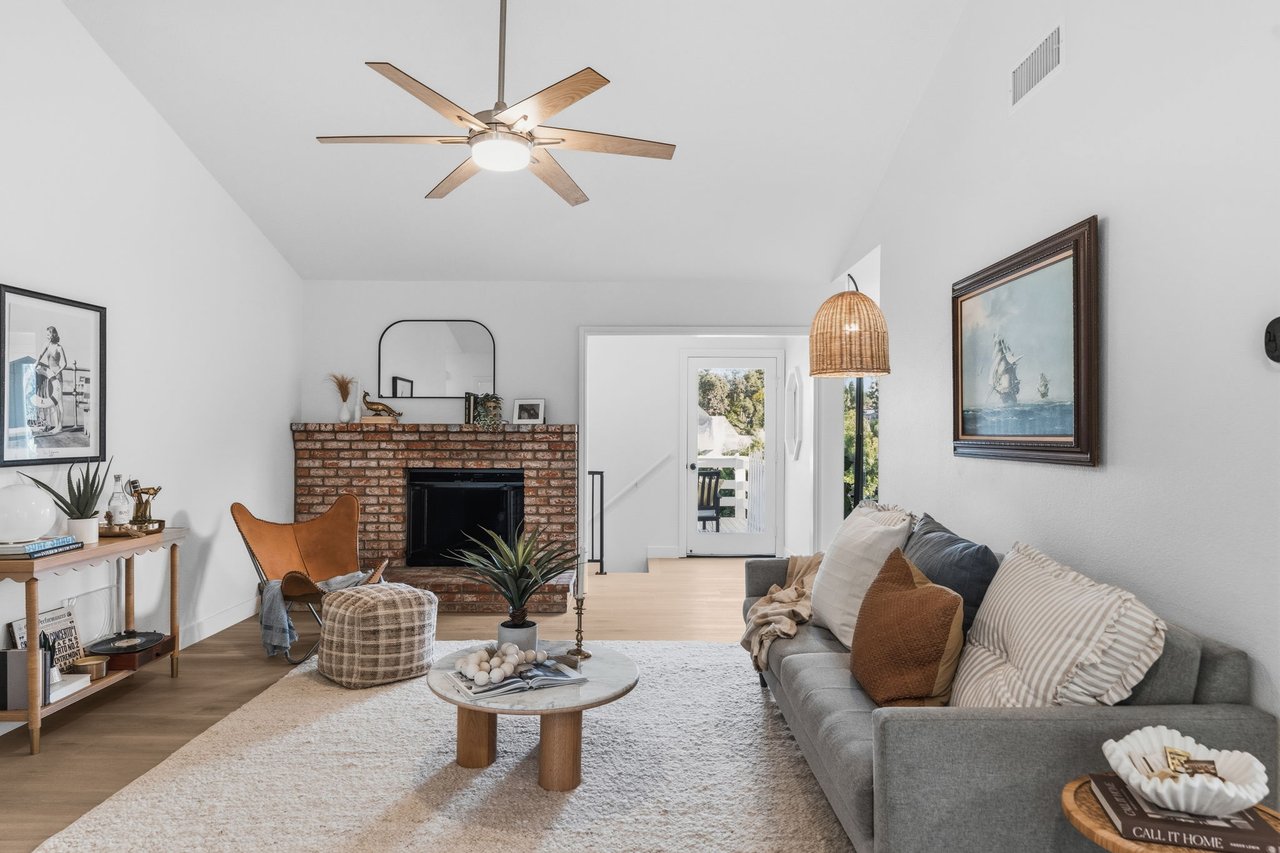
Real Estate
Kimberly Koll
What San Diego buyers should know about 2027 mortgage rate forecasts, affordability, inventory, and the best time to make a move.

Real Estate
Kimberly Koll
Zone 0 and Real Estate in San Diego
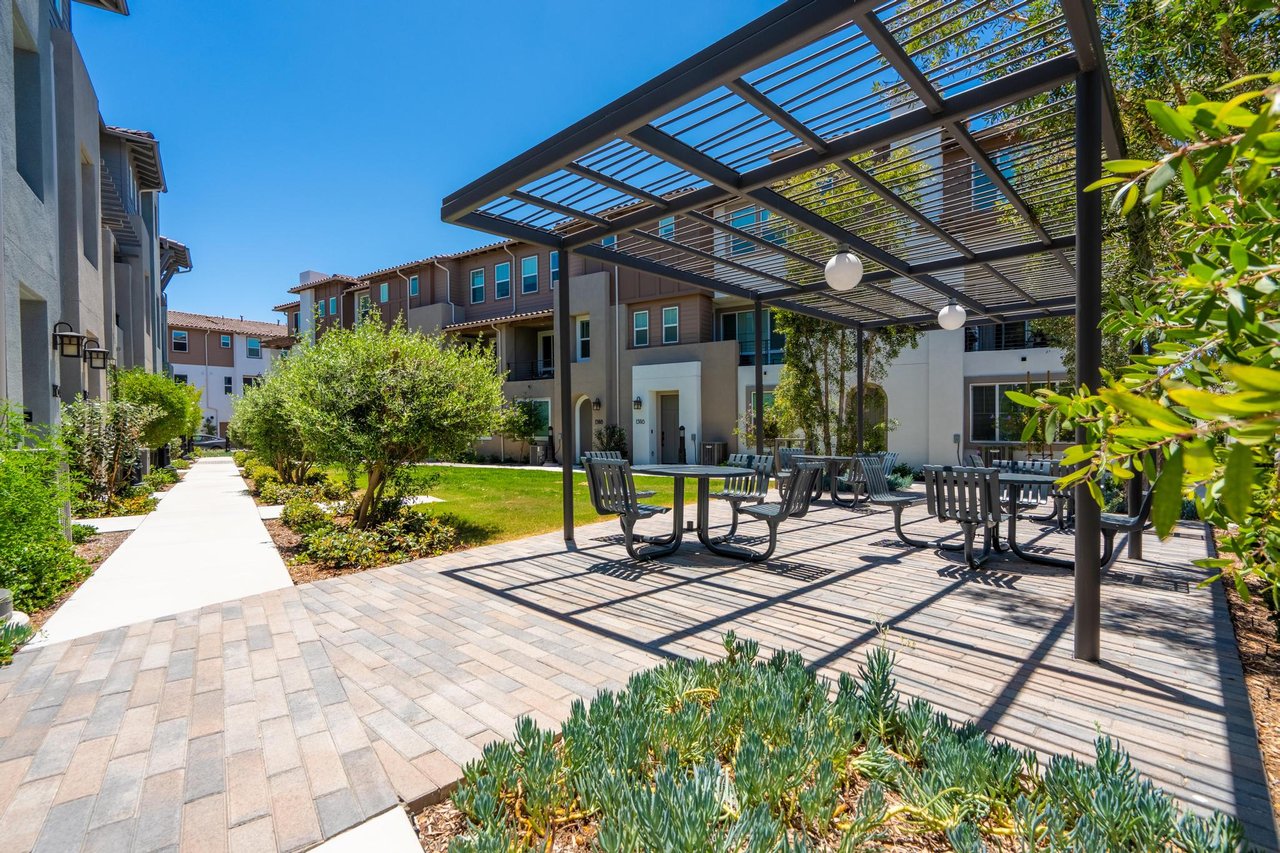
Real Estate
Kimberly Koll
A step by step guide to the escrow process, timelines, and what buyers and sellers should expect

Real Estate
Kimberly Koll
The highest impact updates that can help your home sell faster and for more in today’s San Diego market
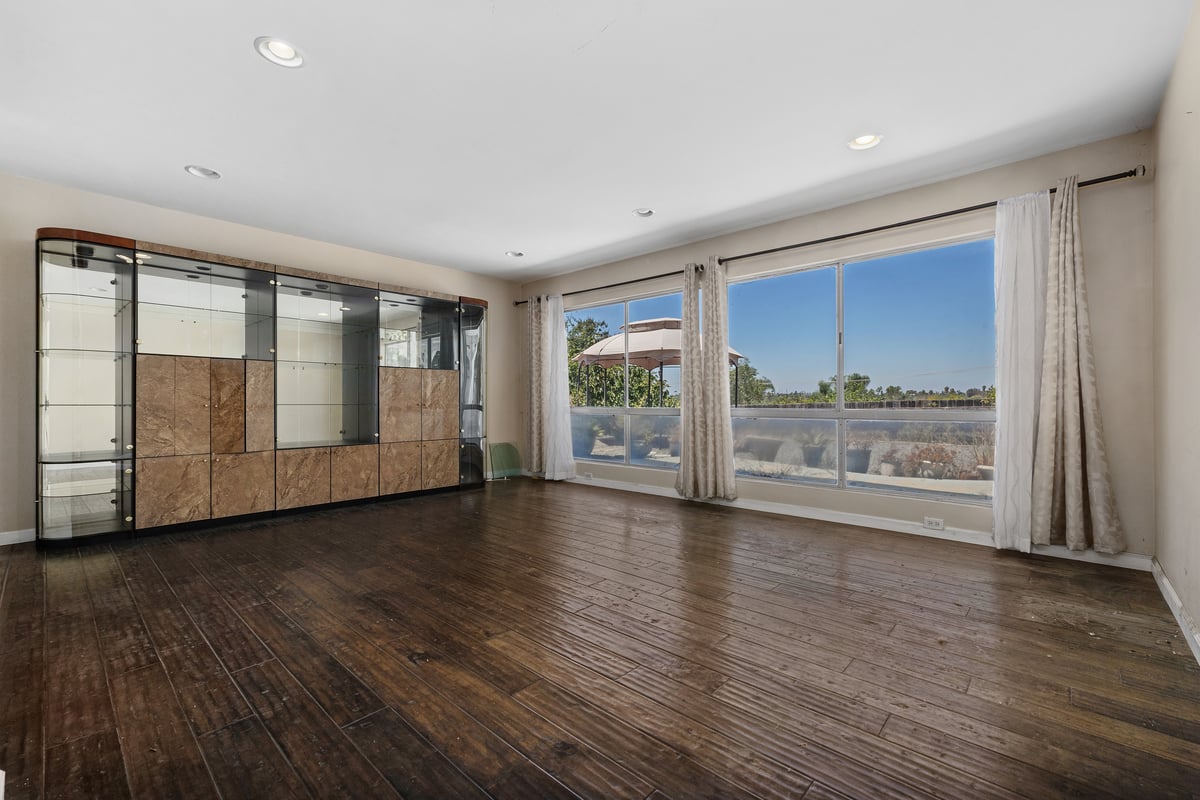
Real Estate
Kimberly Koll
The smart fixes that can help your home sell faster and attract stronger offers in today’s market
Real Estate
Kimberly Koll
A practical guide to home affordability, income requirements, and the best neighborhoods for buyers in San Diego

Real Estate
Simple, high impact steps to help your home sell faster and for more in San Diego’s competitive market
Real Estate
Kimberly Koll
How to Afford, Find, and Close on Your First Home in America’s Finest City

Real Estate
Kimberly Koll
Explore expert predictions for home prices, mortgage rates, inventory levels, and the top San Diego neighborhoods expected to thrive in 2027.
Get in Touch
You’ve got questions and we can’t wait to answer them.
Get In Touch

HERITAGE HOMES SAN DIEGO
Kimberly Koll | DRE# 01506747
CONTACT
ADDRESS
16776 Bernardo Center Dr, #110D
San Diego, CA 92128