Zone 0 and Real Estate in San Diego: What Homeowners and Buyers Need to Know for 2026
Real Estate
Real Estate
If you own a home or are shopping for one in San Diego's fire prone foothills and backcountry communities, a new state regulation is about to change how you think about the first five feet around your house. It's called Zone 0, and it's the most significant update to California's defensible space law in years.
At Heritage Homes RE, we work with buyers and sellers across San Diego and North County, including areas where these new rules will apply from Poway and Rancho Bernardo to Ramona, Valley Center, Alpine, Rancho Santa Fe, Julian, and other communities bordering State Responsibility Areas (SRA) and Very High Fire Hazard Severity Zones (VHFHSZ). Here's what the August 2026 draft regulation actually says, and what it means if you're buying, selling, or already living in one of these zones.
Zone 0 is the area within the first five feet around a home or structure the space where wind-blown embers are most likely to land during a wildfire, and where a structure is most vulnerable to ignition. It's distinct from Zone 1 (5–30 feet from the home) and Zone 2 (30–100 feet from the home), which are governed by existing, less restrictive defensible space rules.
The new Zone 0 requirements come from California's Board of Forestry and Fire Protection, directed by:
Assembly Bill 3074 (2020)
Senate Bill 504 (2024)
Assembly Bill 1455 (2025)
Governor Newsom's Executive Order N-18-25, issued in response to the devastating January 2025 Los Angeles fires
The Board spent over 15 months on public workshops, site visits, and stakeholder outreach before releasing the August 2026 draft rule language.
The regulation applies to properties in:
State Responsibility Areas (SRA) — where CAL FIRE has primary fire protection responsibility, and
Very High Fire Hazard Severity Zones (VHFHSZ) within Local Responsibility Areas (LRA) — areas within a city or fire district's jurisdiction that carry a "very high" fire hazard rating
In San Diego County, this means Zone 0 will most directly affect homeowners and buyers in the region's foothill, rural, and wildland-urban interface communities — think Poway, Ramona, Alpine, Julian, Valley Center, Fallbrook, Descanso, Jamul, Lakeside, and parts of Rancho Santa Fe and Escondido's outer edges. If you're evaluating a property near open space, canyon land, or backcountry terrain anywhere in North County or East County, it's worth confirming its fire hazard designation before you write an offer.
New construction must comply with Zone 0 requirements immediately upon adoption of the regulation. Existing homes get a phased in compliance timeline (explained below).
Existing trees are permitted to remain in Zone 0, provided they're maintained:
Branches kept 10 feet from chimneys and stovepipes (effective immediately, per existing law)
Branches trimmed 5 feet above roofs
Dead wood removed immediately
Ladder fuels removed from the bottom 6 feet of large trees, or the lower third of smaller trees
No new trees may be planted in Zone 0 once the regulation takes effect
Across the full 5 feet of Zone 0, homeowners must remove:
Firewood and stored wood
Combustible mulch, bark, and wood chips
Fallen leaves, needles, and other debris
Combustible debris on roofs and in rain gutters (required immediately)
Closer to the structure, a stricter non-combustible "safety zone" applies:
At least 1 foot from the wall, or out to the eave line whichever is greater
2 feet clearance from windows, doors, and vents
5 feet clearance around attached decks, stairs, and pergolas
Outside the safety zone but still within Zone 0, well-maintained plants are allowed including small herbaceous plants and flowers, low ground covers, mowed lawn (kept to 3 inches or less), and potted plants in non-combustible containers under 1.5 feet tall.
A 5-foot non-combustible section is required where fences attach to the home
No new combustible fences or gates within Zone 0 (repairs to existing ones are allowed)
Sheds and outbuildings in Zone 0 must have non-combustible roofs and walls
Local fire agencies in LRAs may approve alternative compliance practices based on local geography, lot size, structure type, or fire risk as long as they're found to be substantially as effective as the state standard. Any such variation requires approval from the local governing body (city council or county board of supervisors).
Zone 0 rolls out in two phases for existing homes:
The Board has emphasized that enforcement will prioritize education and outreach rather than penalties inspectors are directed to help homeowners identify issues and build a plan over time, not issue immediate citations for a five year process still in progress.
For sellers: If your property sits in an SRA or VHFHSZ zone, buyers and their agents will increasingly ask about Zone 0 compliance status, especially as the phase in deadlines approach. Getting ahead of Phase 1 requirements clearing firewood, trimming trees, cleaning gutters can be a meaningful selling point and prevent objections during escrow.
For buyers: Zone 0 status should factor into your due diligence the same way HOA documents or a home inspection would. Ask what fire hazard zone a property falls in, whether prior owners have already made progress on compliance, and what maintenance obligations you'll be taking on.
For everyone in a fire hazard zone: There's real financial support coming to help offset these costs, including funding from the California Climate Bond, CAL FIRE grants, and labor support from organizations like the California Conservation Corps.
Whether you're buying in Poway, Rancho Bernardo, Ramona, or elsewhere in North County, we help clients understand a property's fire hazard designation, what Zone 0 compliance will realistically involve, and how that factors into a fair offer or listing price. This is a new and evolving regulation the Board is still accepting public comment on the draft so having a local agent who's tracking it closely matters.
What is Zone 0 in California fire regulations? Zone 0 is the area within 5 feet of a home or structure, where new state defensible space rules require homeowners to remove combustible materials and maintain a non-combustible buffer to reduce wildfire ignition risk.
Does Zone 0 apply to all San Diego homes? No. It applies specifically to homes in State Responsibility Areas (SRA) and Very High Fire Hazard Severity Zones (VHFHSZ) within Local Responsibility Areas generally foothill, rural, and wildland-adjacent communities, not most urban or coastal San Diego neighborhoods.
When do I have to comply with Zone 0? New construction must comply immediately upon adoption. Existing homes have a phased timeline: some tree and roof/gutter requirements take effect immediately, most Phase 1 items are due within 3 years, and Phase 2 items (the under-eave safety zone, fencing, sheds) are due within 5 years.
Can I keep my trees under Zone 0 rules? Yes. Existing trees can remain in Zone 0 as long as they're properly maintained dead branches removed, ladder fuels cleared, and branches kept clear of chimneys, eaves, and roofs. New trees, however, cannot be planted in Zone 0 after the rule takes effect.
Will Zone 0 affect my home's value? It's too early to say definitively, since the rule is still in draft form, but buyers are increasingly factoring in wildfire risk and compliance costs when evaluating homes in high fire hazard zones. Proactive compliance is likely to be viewed favorably.
How do I find out if my property is in Zone 0 territory? Your fire hazard severity zone designation is publicly available through CAL FIRE and local fire agency maps. Your real estate agent can also help you check this as part of a property evaluation.
This article summarizes the Board of Forestry and Fire Protection's draft Zone 0 regulation language as of August 2026. The rule is still in draft form and subject to change through the public comment process. Homeowners and buyers should verify current requirements with CAL FIRE, their local fire agency, or the Board's official Zone 0 webpage before making compliance or purchase decisions.
Stay up to date on the latest real estate trends.
Real Estate
Kimberly Koll
First Time Homebuyer Programs in San Diego County
Real Estate
Kimberly Koll
Why the quieter seasons can still offer opportunities and how pricing, preparation, and local market conditions shape your sale
Real Estate
Kimberly Koll
Understand California’s buyer representation agreements, who pays the commission, and how to budget for your next San Diego home purchase
Real Estate
Kimberly Koll
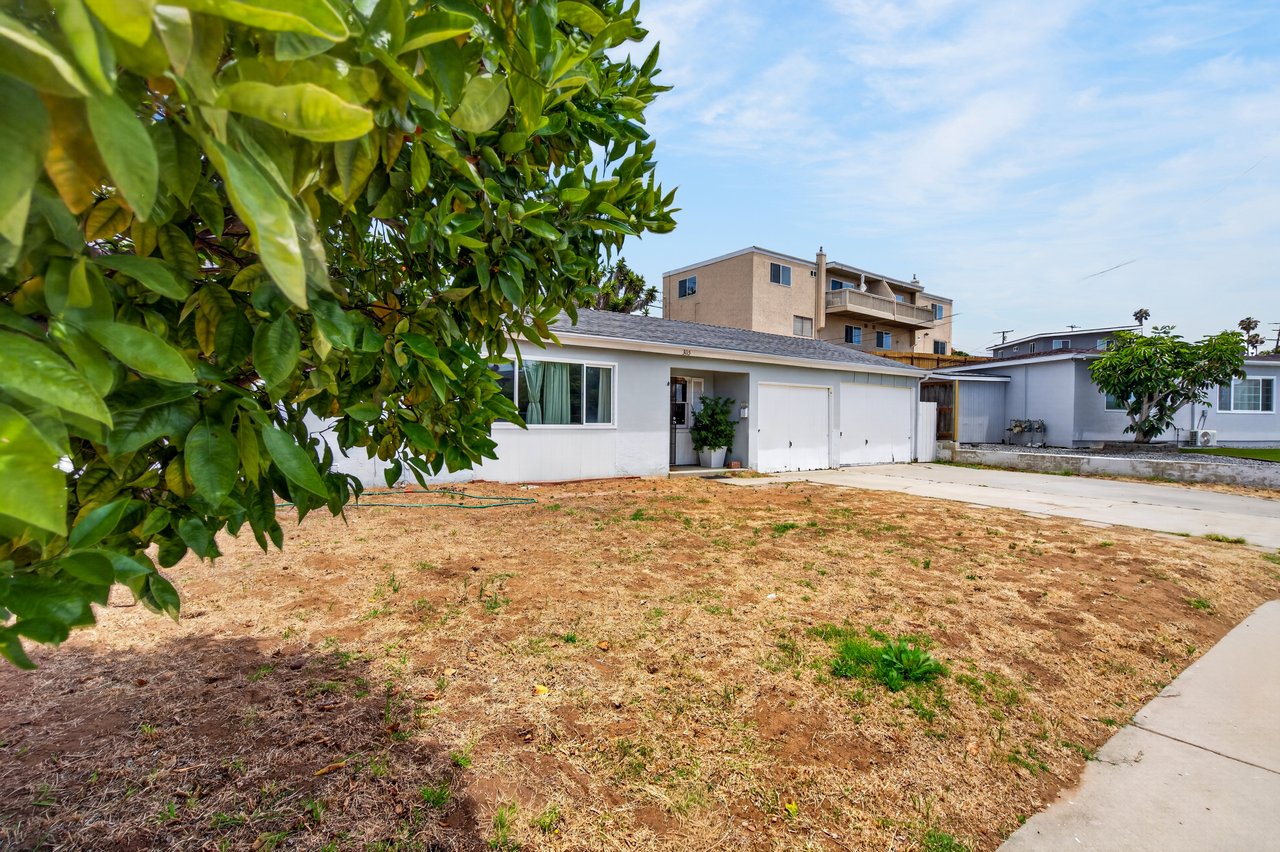
Understand why some sellers are adjusting prices in 2026 and what price reductions can mean for San Diego buyers, sellers, and investors.
Real Estate
Kimberly Koll
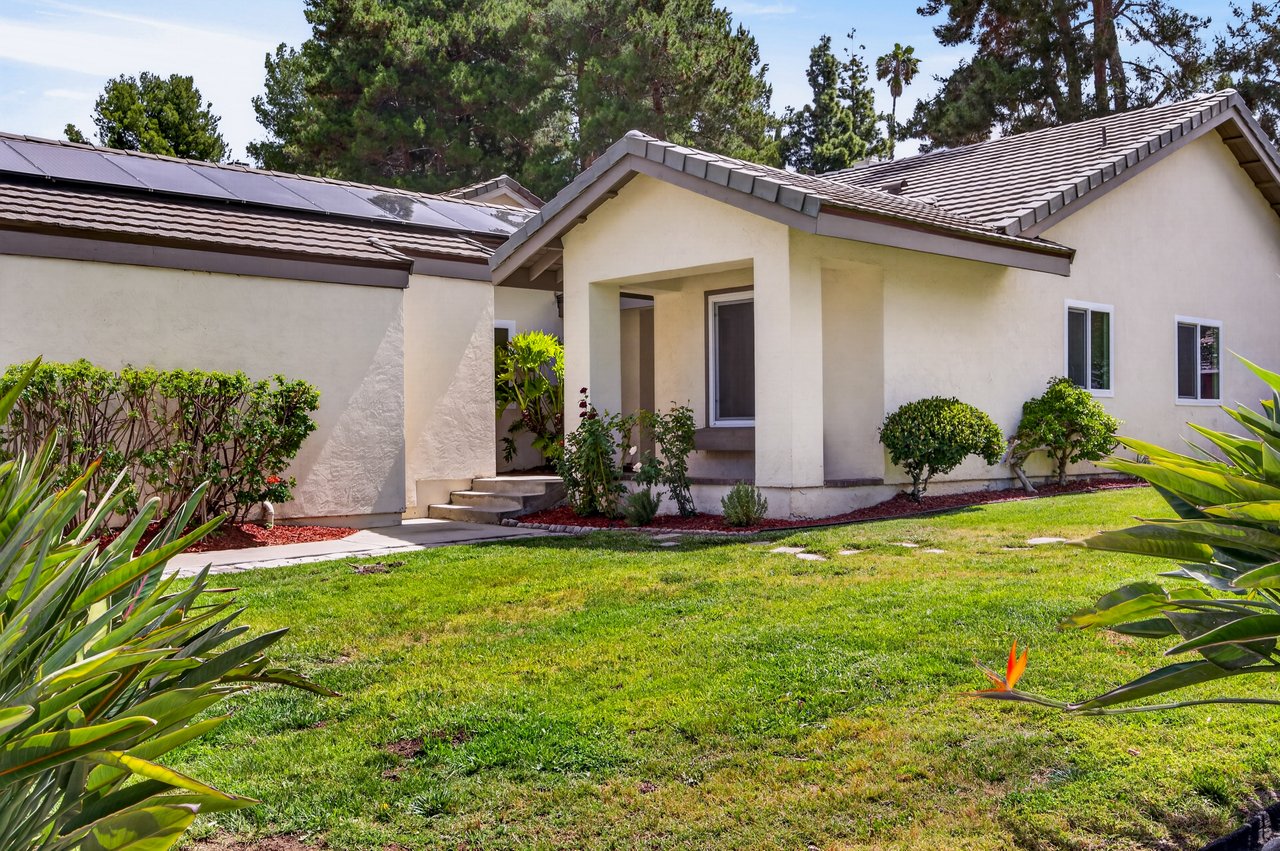
More homes are entering the San Diego housing market learn how rising inventory, mortgage rates, and local competition could affect your buying strategy in 2026.
Real Estate
Kimberly Koll
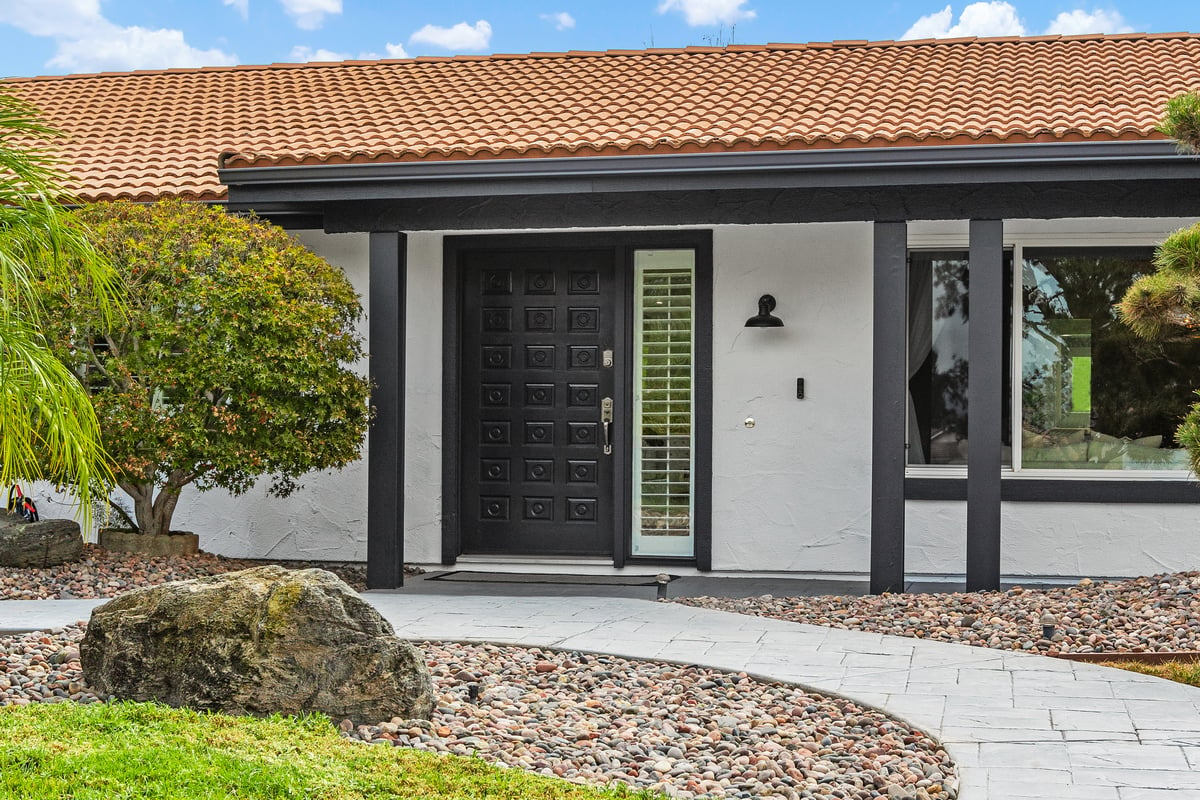
Compare 2026 mortgage rates, San Diego home prices, inventory, and market trends to decide whether buying now or waiting until 2027 is right for you.
Real Estate
Kimberly Koll
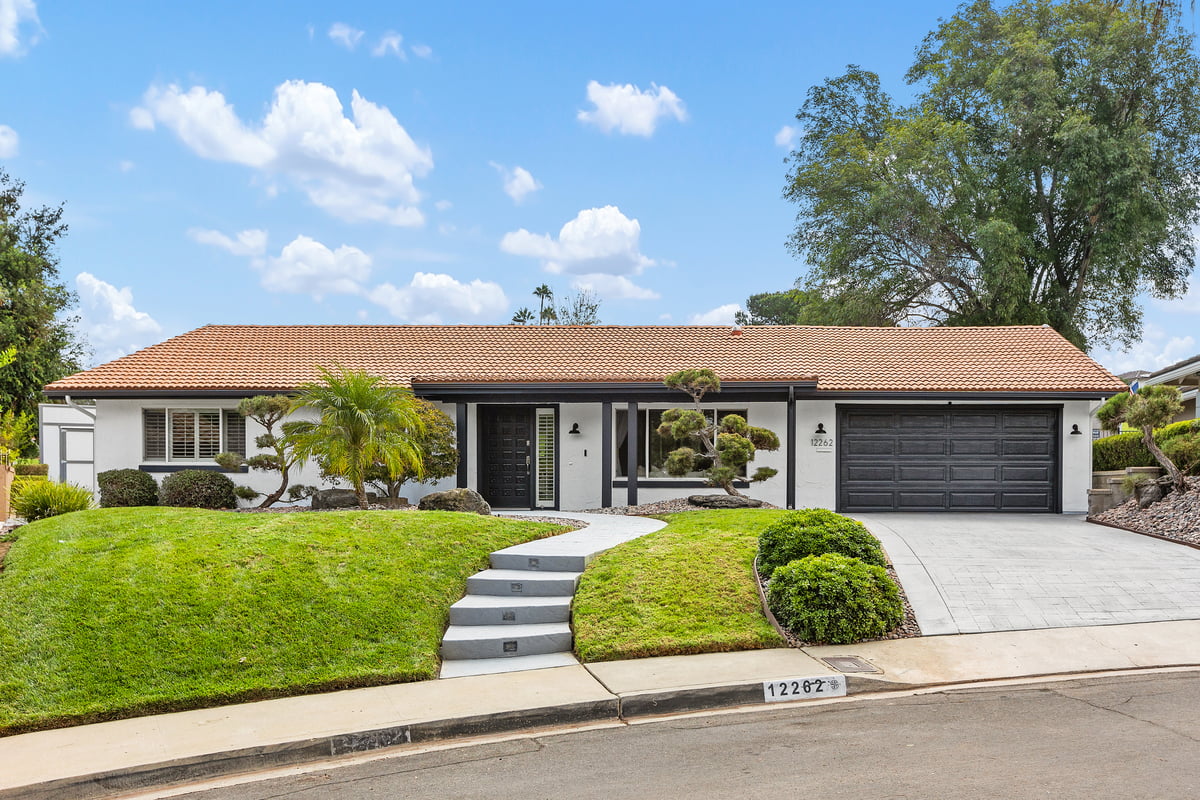
Discover a single level Rancho Bernardo home overlooking the 13th hole, with recent upgrades, flexible living space, and a sought after San Diego lifestyle.
Real Estate
Kimberly Koll
What San Diego buyers should know about 2027 mortgage rate forecasts, affordability, inventory, and the best time to make a move.
Real Estate
Kimberly Koll
Zone 0 and Real Estate in San Diego
Get in Touch
You’ve got questions and we can’t wait to answer them.
Get In Touch

HERITAGE HOMES SAN DIEGO
Kimberly Koll | DRE# 01506747
CONTACT
ADDRESS
16776 Bernardo Center Dr, #110D
San Diego, CA 92128