What Happens During Escrow in San Diego?
Real Estate
Real Estate
Once your offer is accepted, escrow becomes the process that moves the deal from contract to closing. In San Diego, that means inspections, disclosures, appraisals, loan approval, signing, and finally recording the transfer of ownership.
Escrow is a neutral third party process that holds funds and documents until both sides of the sale have completed their obligations. It helps protect the buyer and seller by making sure the property does not transfer until the agreed terms are met.
In a San Diego home purchase, escrow is where the lender, title company, buyer, seller, and agents all work together to close the transaction. It is also the stage where timelines matter most.
Escrow is important because it creates structure and accountability. It confirms that the buyer’s funds, the seller’s documents, the inspections, and the loan all move forward in the correct order.
For buyers in neighborhoods like La Jolla, Mission Valley, Clairemont, North Park, Chula Vista, and Poway, escrow is the final stretch before getting the keys. For sellers, it is the period where the contract must be managed carefully so closing happens on time.
A typical San Diego escrow period lasts about 30 days, though shorter or longer timelines are possible depending on the contract and financing.
After the contract is accepted, escrow is opened and the buyer usually submits the initial deposit. The escrow officer begins collecting documents and coordinating the closing process.
The buyer schedules home inspections, which may include a general inspection, termite inspection, roof inspection, sewer line inspection, or other specialty checks depending on the property.
The seller provides required disclosures about the home’s condition, history, and known issues. The buyer and agent review these documents carefully.
If the buyer is getting a loan, the lender orders an appraisal to confirm the property’s value supports the purchase price.
Once inspections, appraisal, and financing are in good shape, the buyer removes contingencies. This is a major milestone because it reduces the buyer’s ability to walk away without consequence.
A few days before closing, the buyer usually does a final walkthrough to make sure the property is in the agreed condition and any negotiated repairs have been completed.
The buyer signs final loan and closing documents. The lender wires the loan funds, and the buyer wires their closing funds.
Once everything is approved, the title company records the transaction with the county. That is the moment ownership officially transfers.
After recording is confirmed, escrow closes and the buyer receives the keys.
Buyers have several responsibilities during escrow. They need to move quickly, respond to document requests, and stay in close communication with their lender and agent.
Typical buyer tasks include:
Delivering the earnest money deposit.
Scheduling inspections.
Reviewing disclosures.
Responding to lender requests for documents.
Finalizing loan approval.
Removing contingencies on time.
Completing the final walkthrough.
Signing closing documents.
The biggest mistake buyers make is assuming escrow is passive. It is actually a very active period.
Sellers also have important responsibilities. They need to provide disclosures, keep the home in agreed condition, and respond to repair negotiations when necessary.
Typical seller tasks include:
Providing required disclosures.
Allowing access for inspections and appraisals.
Reviewing repair requests.
Completing agreed upon repairs.
Keeping the property in the same condition until closing.
Coordinating with the escrow officer on closing documents.
If the seller stays organized, escrow usually moves much more smoothly.
Inspections often reveal the biggest negotiation points during escrow. A buyer may ask for repairs, credits, or a price adjustment if issues come up.
In San Diego, buyers often pay close attention to:
Roof condition.
Plumbing and sewer lines.
Moisture or drainage issues.
HVAC systems.
Electrical updates.
Foundation or stucco concerns.
Homes in older neighborhoods like North Park, Hillcrest, and Clairemont may need more inspection attention than newer homes in places like Carmel Valley or East Chula Vista.
The appraisal protects the lender by confirming that the property is worth the agreed price. If the home appraises lower than expected, the buyer and seller may need to renegotiate.
Financing also has to stay on track during escrow. If the buyer changes jobs, takes on new debt, or fails to provide requested documents, the loan can be delayed or jeopardized.
That is why buyers are usually advised not to make large purchases or big financial changes until the transaction closes.
The final walkthrough is not a second inspection. It is a chance for the buyer to confirm the home is in the agreed condition and that any negotiated repairs were completed.
At closing, the buyer signs the final loan package and wire transfer instructions are handled carefully to avoid fraud. Once the county records the deed, the sale is official.
This final stage is especially important in competitive San Diego areas like La Jolla, Mission Beach, Pacific Beach, and Downtown San Diego, where timing and precision matter.
Several common issues can slow things down:
Delays in loan approval.
Late or incomplete disclosures.
Inspection disputes.
Appraisal issues.
Title problems.
Incorrect wire instructions.
Missed contingency deadlines.
The more organized everyone is, the more likely escrow will close on time.
At Heritage Homes RE, we help clients understand every part of the escrow process so there are fewer surprises. From inspections to final signing, our goal is to keep the transaction moving and protect your interests.
We help buyers and sellers:
Stay on top of deadlines.
Understand disclosures and repairs.
Coordinate with lenders and escrow officers.
Prepare for final walkthroughs and closing.
Navigate San Diego market specifics with confidence.
Escrow is the period after a contract is accepted and before closing, when the buyer, seller, lender, and title company complete the steps needed to transfer ownership.
A typical escrow period is about 30 days, though it can be shorter or longer depending on financing and contract terms.
Inspections, disclosures, appraisal, financing, contingency removal, final walkthrough, signing, funding, and recording all happen during escrow.
Yes, but only under certain conditions and usually before contingencies are removed. After that, backing out can have financial consequences.
It is the buyer’s chance to confirm the home is in the agreed condition before closing.
After the transaction is recorded and escrow officially closes, the keys are released.
Stay up to date on the latest real estate trends.
Real Estate
Kimberly Koll
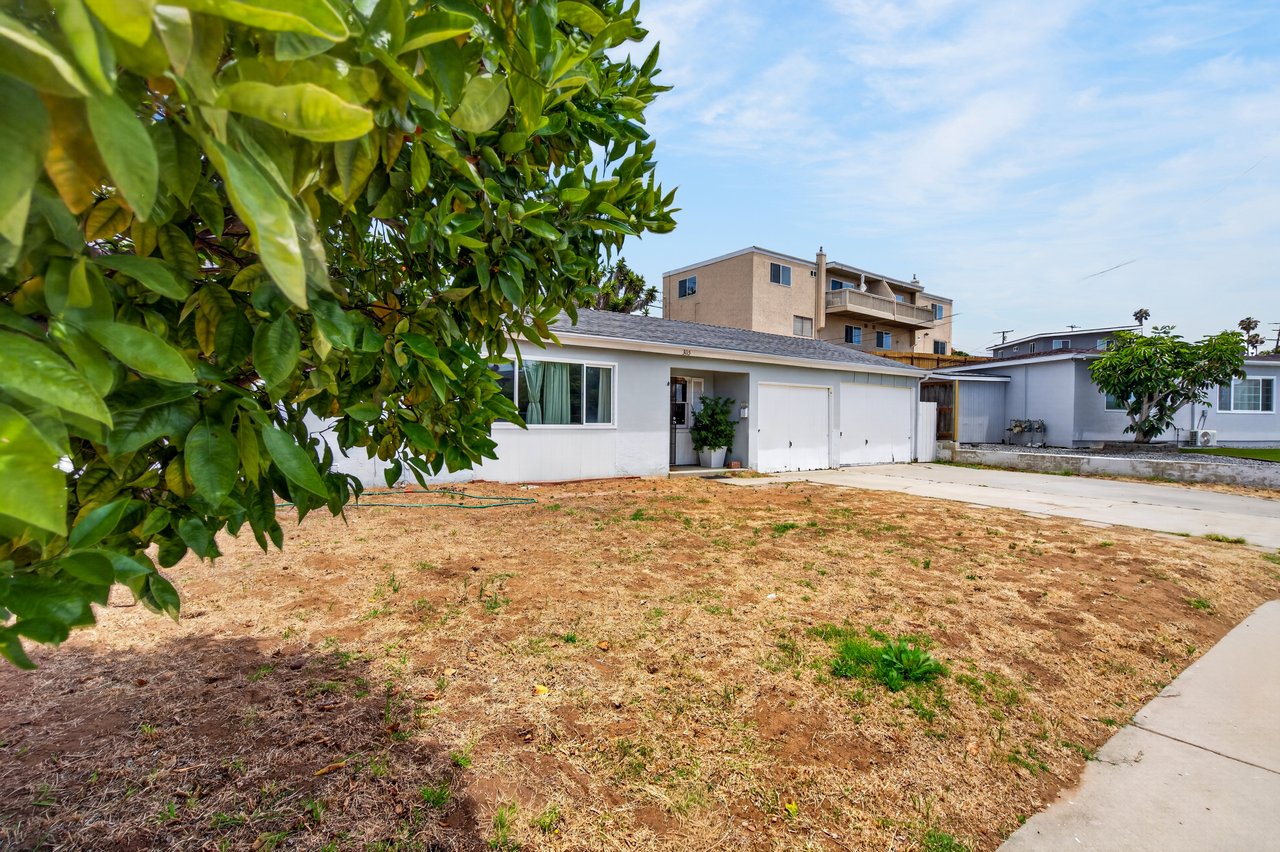
Understand why some sellers are adjusting prices in 2026 and what price reductions can mean for San Diego buyers, sellers, and investors.
Real Estate
Kimberly Koll
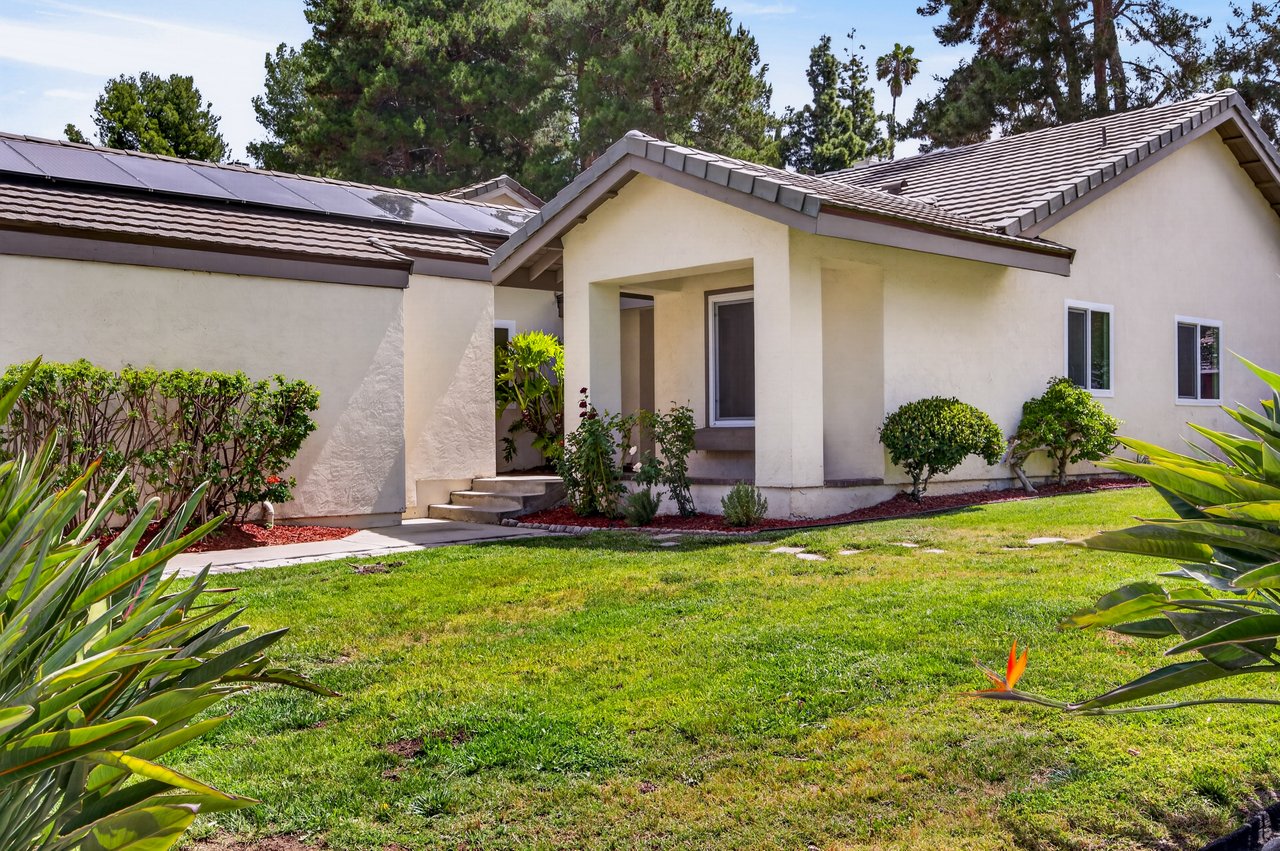
More homes are entering the San Diego housing market learn how rising inventory, mortgage rates, and local competition could affect your buying strategy in 2026.
Real Estate
Kimberly Koll
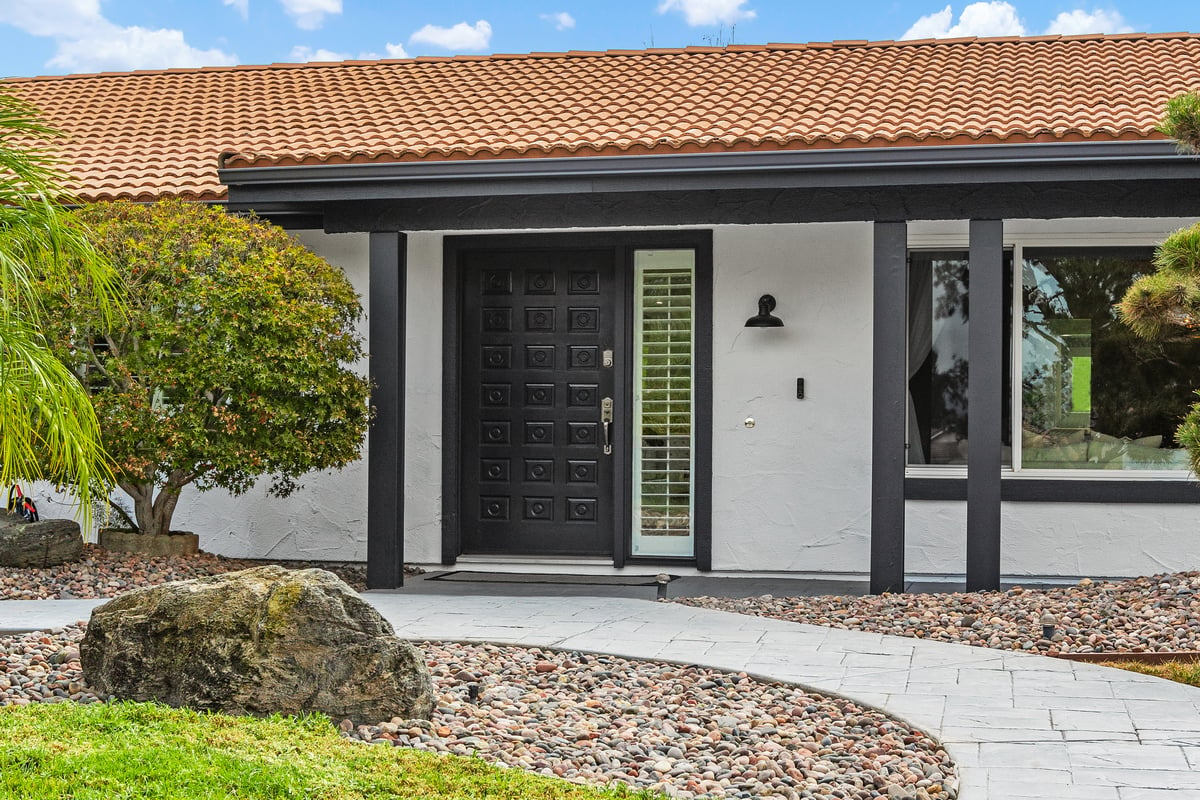
Compare 2026 mortgage rates, San Diego home prices, inventory, and market trends to decide whether buying now or waiting until 2027 is right for you.
Real Estate
Kimberly Koll
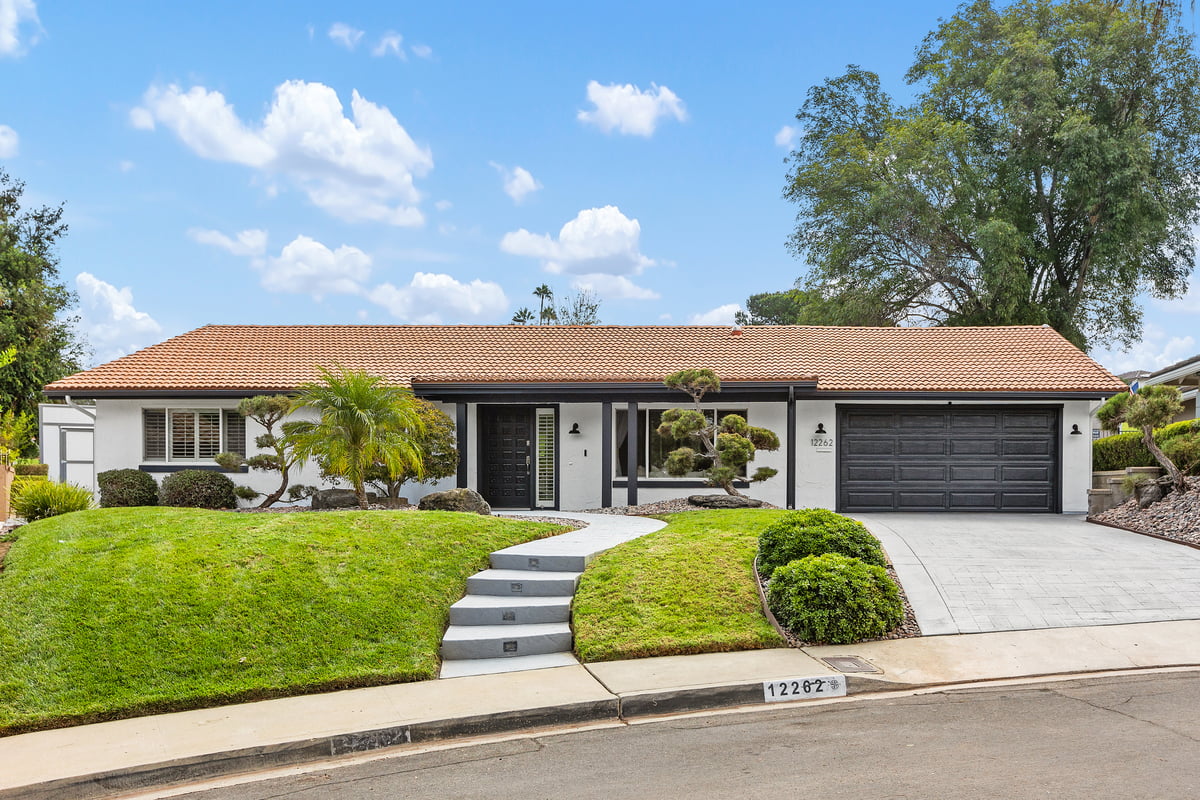
Discover a single level Rancho Bernardo home overlooking the 13th hole, with recent upgrades, flexible living space, and a sought after San Diego lifestyle.
Real Estate
Kimberly Koll
What San Diego buyers should know about 2027 mortgage rate forecasts, affordability, inventory, and the best time to make a move.
Real Estate
Kimberly Koll
Zone 0 and Real Estate in San Diego
Real Estate
Kimberly Koll
A step by step guide to the escrow process, timelines, and what buyers and sellers should expect
Real Estate
Kimberly Koll
The highest impact updates that can help your home sell faster and for more in today’s San Diego market
Real Estate
Kimberly Koll
The smart fixes that can help your home sell faster and attract stronger offers in today’s market
Get in Touch
You’ve got questions and we can’t wait to answer them.
Get In Touch

HERITAGE HOMES SAN DIEGO
Kimberly Koll | DRE# 01506747
CONTACT
ADDRESS
16776 Bernardo Center Dr, #110D
San Diego, CA 92128