First Time Homebuyer Programs in San Diego County
Real Estate
Real Estate
San Diego County homebuyers can explore city, county, and statewide programs that help cover down payments or closing costs. Eligibility depends on income, household size, purchase location, financing, and available funding. Most assistance is a repayable loan not free money and California Dream For All is currently closed to new voucher applications.
The following programs are useful starting points not a guarantee of approval. Assistance amounts are maximums, and lenders must review the complete guidelines.
San Diego Housing Commission, or SDHC, administers programs for eligible purchases in the City of San Diego.
These figures come from SDHC’s detailed program page. Its low income loan carries 3% simple interest. The middle income loan carries 4% simple interest.
For the low-income program, payments are generally deferred for 30 years, with repayment required earlier if the owner sells or stops occupying the home as a primary residence. Buyers must contribute at least 3% and complete required education and counseling.
The middle income loan works differently: payments are deferred for years one through five. Beginning in year six, outstanding principal and interest become an amortizing loan with fixed payments over 120 months. Its closing-cost grant is forgiven after three years if the property remains owner occupied.
That future payment is important. Do not evaluate the middle-income program solely by its first-year affordability.
The County program is not available automatically at every address in San Diego County.
SDHC identifies the low-income program’s service area as unincorporated communities and 12 participating cities: Carlsbad, Coronado, Del Mar, Encinitas, Imperial Beach, La Mesa, Lemon Grove, Poway, San Marcos, Santee, Solana Beach, and Vista.
Its published low-income terms include:
Household income up to 80% of Area Median Income.
Down payment assistance up to 22% of the purchase price.
Closing cost loan assistance up to 4%, capped at $10,000.
A $743,000 purchase-price ceiling, effective June 1, 2026.
3% simple interest and generally deferred payments.
A minimum 3% buyer contribution and required education.
The County also has a moderate-income option for households earning 80%–120% of Area Median Income. It offers a deferred loan up to 17% of price at 3% simple interest, but serves a narrower geographic area. Confirm both the address and current purchase price limit with a participating lender.
Yes. SDHC’s published Chula Vista program provides a deferred payment loan of up to 22% of the purchase price, capped at $120,000, for down payment and closing costs.
The listed income ceiling is 80% of Area Median Income, the interest rate is 3% simple interest, and the purchase-price limit is $807,500. Buyers must generally contribute at least 3% and complete education and counseling.
This separate program illustrates why jurisdiction matters. Do not assume a County program applies just because a property has a San Diego County address.
California Housing Finance Agency, or CalHFA, offers MyHome through approved lenders:
MyHome is a deferred-payment junior loan used for down payment and/or closing costs. Buyers must meet income limits, occupy the property as a primary residence, and complete approved education. CalHFA does not lend directly to consumers.
Ask for the entire loan package: mortgage rate, annual percentage rate, fees, assistance balance, and repayment conditions.
Not for new voucher applications at this time. CalHFA’s published page states that the 2026 application portal closed March 16, 2026. Existing applicants should check their voucher or waitlist status.
Dream For All offers up to 20% of the purchase price for assistance, capped at $150,000. It requires first-time buyers, at least one qualifying first-generation buyer, and other eligibility conditions. Recipients repay the original loan plus a share of appreciation under the program terms.
Do not write an offer assuming future selection or a new application round.
Qualification requires more than being a first time buyer. Your lender evaluates the household, property, mortgage, and program together.
You may qualify even if you previously owned a home. SDHC’s middle income program defines eligible households as those that have not owned a home in the last three years. Other programs have their own definitions and exceptions.
Dream For All adds a separate first-generation requirement. First time and first generation are not interchangeable.
How do income limits work?
Area Median Income, or AMI, is a benchmark used to establish income eligibility. The applicable dollar limit depends on household size and program rules.
Do not compare only your salary with an online figure. SDHC’s middle income guidance includes the income of all adult household members when evaluating household gross income.
Ask your lender to review:
Household size and adult household income.
Employment and self employment documentation.
Credit history and monthly debt obligations.
Savings, buyer contribution, and reserves.
Prior ownership.
Intended occupancy and property location.
The programs discussed here primarily support owner occupied purchases, not purchases intended solely as rental investments. MyHome expressly requires primary-residence occupancy, and local loans can become repayable when the owner no longer occupies the home.
If you hope to rent rooms, add an accessory dwelling unit, or move out later, obtain written clarification of program restrictions first.
Possibly, but never assume stacking is allowed. The first mortgage, assistance providers, lien positions, and combined financing must all meet applicable guidelines. CalHFA directs lenders to follow the more restrictive requirements when guidelines conflict.
Assistance can reduce upfront cash needs, but it does not automatically make a home affordable.
When reviewing mortgage rates 2026 quotes, compare the full payment and closing costs. Federal Reserve policy and inflation belong in the broader financing discussion, but your decision needs an actual lender quote not a prediction.
Likewise, San Diego housing market inventory matters only if the available homes meet the program’s price, location, condition, and financing requirements.
Consider a hypothetical $600,000 home under the County low-income program:
This is an illustration, not an approval or complete cash to close estimate. The actual assistance and mortgage must satisfy all program requirements. The County closing cost assistance is a loan, not the City program’s grant.
Remember that you also need to budget for inspections, moving, repairs, insurance, property taxes, and potentially HOA dues.
For buyers considering North Park, Clairemont, Rancho Bernardo, Chula Vista, or neighboring cities, program boundaries should be checked before touring.
San Diego neighborhoods, incorporated cities, and unincorporated communities are different jurisdictions. A postal address or ZIP code alone is not a substitute for program confirmation.
Within the San Diego real estate market, compare:
Condo eligibility and association finances.
HOA dues and special assessments.
Commute routes and daily transportation costs.
Maintenance and insurance needs.
School assignments, verified directly with the district.
Nearby amenities and your intended lifestyle.
Southern California real estate trends and California housing market headlines provide context, but the property specific budget determines feasibility.
For an eligible, financially prepared buyer, it can be. Assistance is most useful when it supports an affordable payment, adequate reserves, and a long-term ownership plan.
The housing market 2026 is not a reason to rush. If approval would leave you without an emergency fund or requires assuming future refinancing consider improving your finances first.
Contact an SDHC-participating or CalHFA approved lender.
Review income, credit, savings, and ownership history.
Confirm program geography and current funding.
Complete the required education and counseling.
Obtain financing and assistance guidance before shopping.
Search within the approved price and property criteria.
Confirm reservation, underwriting, and closing requirements before committing.
Avoid paying for an education course without confirming the provider is accepted. CalHFA and local programs do not necessarily accept identical courses.
What do first time buyers ask?
Not necessarily. Several SDHC programs list a minimum 3% buyer contribution, with qualifying assistance available for additional costs. Actual financing and cash requirements depend on the program and lender.
Usually not. Many programs provide repayable loans, while some include grants or conditional forgiveness. Read the interest, repayment, occupancy, and forgiveness terms before accepting assistance.
Possibly. SDHC’s middle income program allows households that have not owned a home in the last three years. Other programs may apply different definitions or exceptions.
Not for a new 2026 voucher application. CalHFA states that the portal closed March 16, 2026. Existing applicants should check their portal status and lender guidance.
Not with every program. City, County, and Chula Vista assistance have different geographic rules. Confirm the property address with a participating lender before relying on assistance.
Begin with a participating mortgage lender. SDHC lenders submit local assistance applications, while CalHFA programs are offered through approved loan officers rather than direct consumer lending.
First-time homebuyer programs can create a practical path into ownership, but the right match depends on income, location, repayment terms, and financing, not just the largest advertised assistance amount.
Contact Kimberly Koll at Heritage Homes San Diego to schedule a buyer consultation, coordinate your search with participating lenders, and explore available homes that match your approved budget and preferred community.
Stay up to date on the latest real estate trends.
Real Estate
Kimberly Koll
First Time Homebuyer Programs in San Diego County

Real Estate
Kimberly Koll
Why the quieter seasons can still offer opportunities and how pricing, preparation, and local market conditions shape your sale
Real Estate
Kimberly Koll
Understand California’s buyer representation agreements, who pays the commission, and how to budget for your next San Diego home purchase
Real Estate
Kimberly Koll
Understand why some sellers are adjusting prices in 2026 and what price reductions can mean for San Diego buyers, sellers, and investors.
Real Estate
Kimberly Koll
More homes are entering the San Diego housing market learn how rising inventory, mortgage rates, and local competition could affect your buying strategy in 2026.
Real Estate
Kimberly Koll
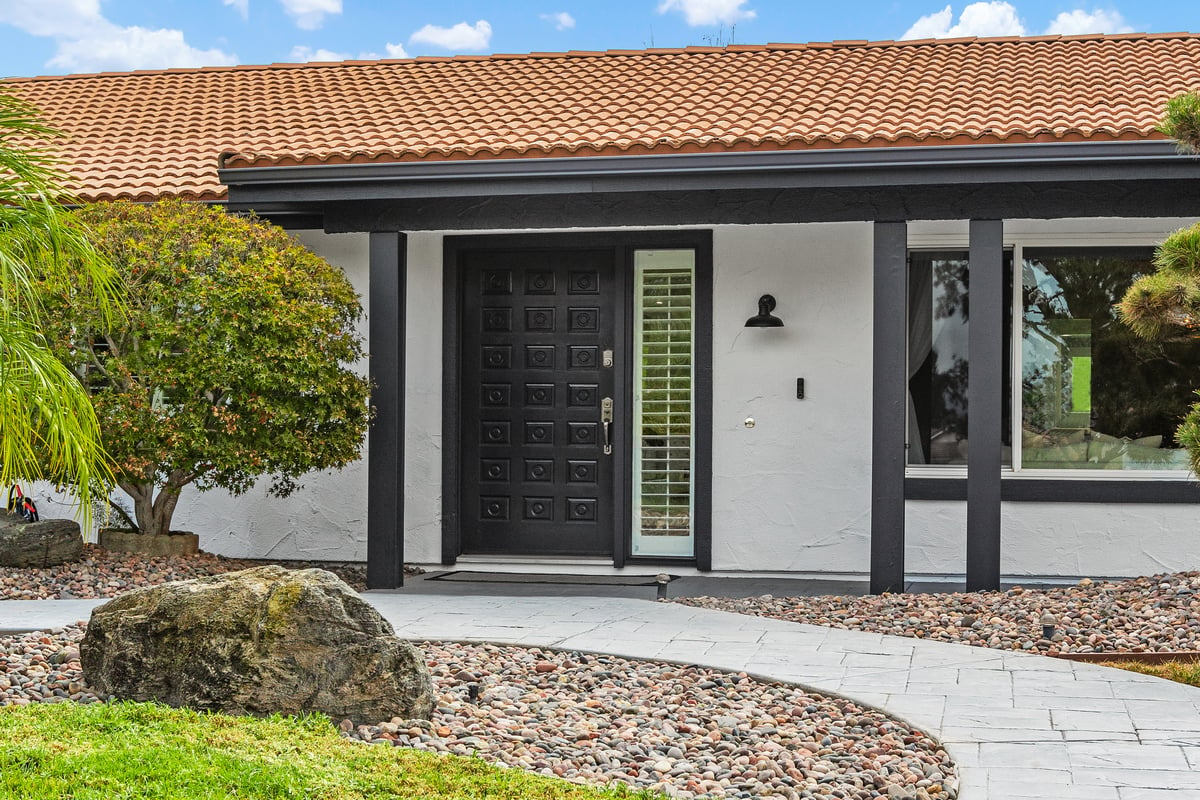
Compare 2026 mortgage rates, San Diego home prices, inventory, and market trends to decide whether buying now or waiting until 2027 is right for you.
Real Estate
Kimberly Koll
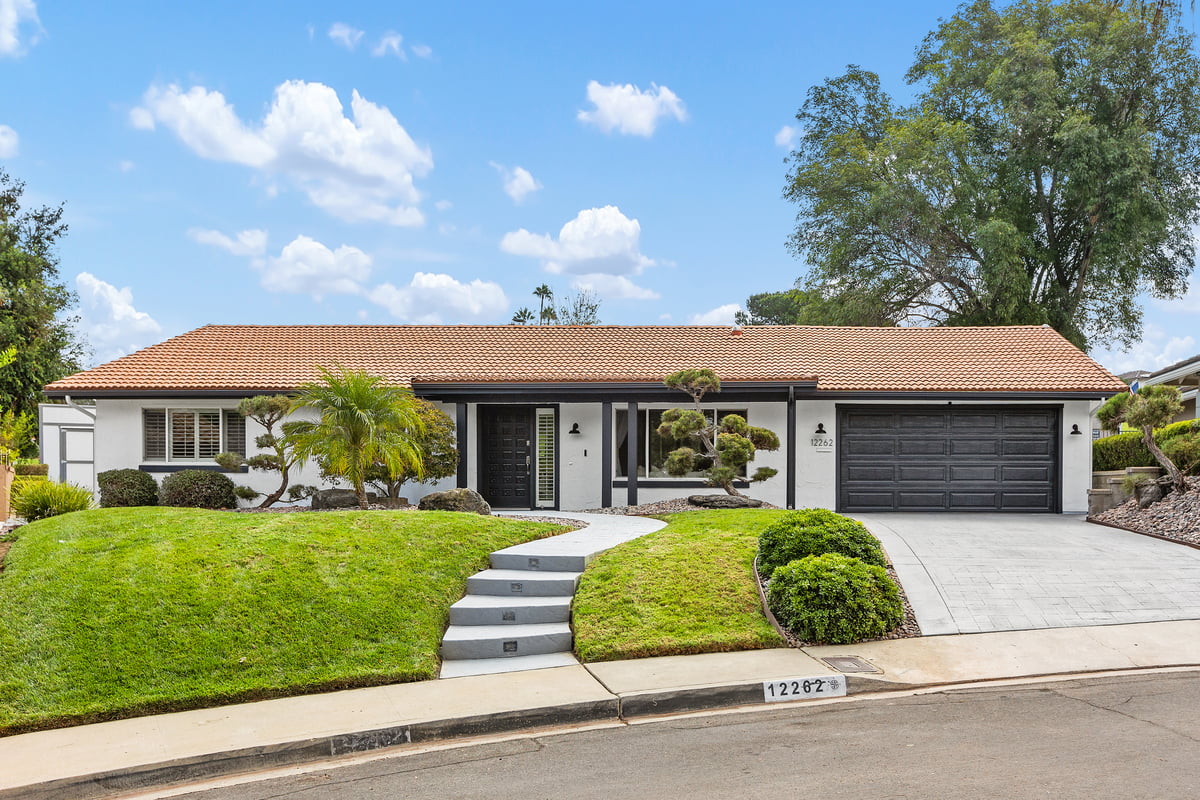
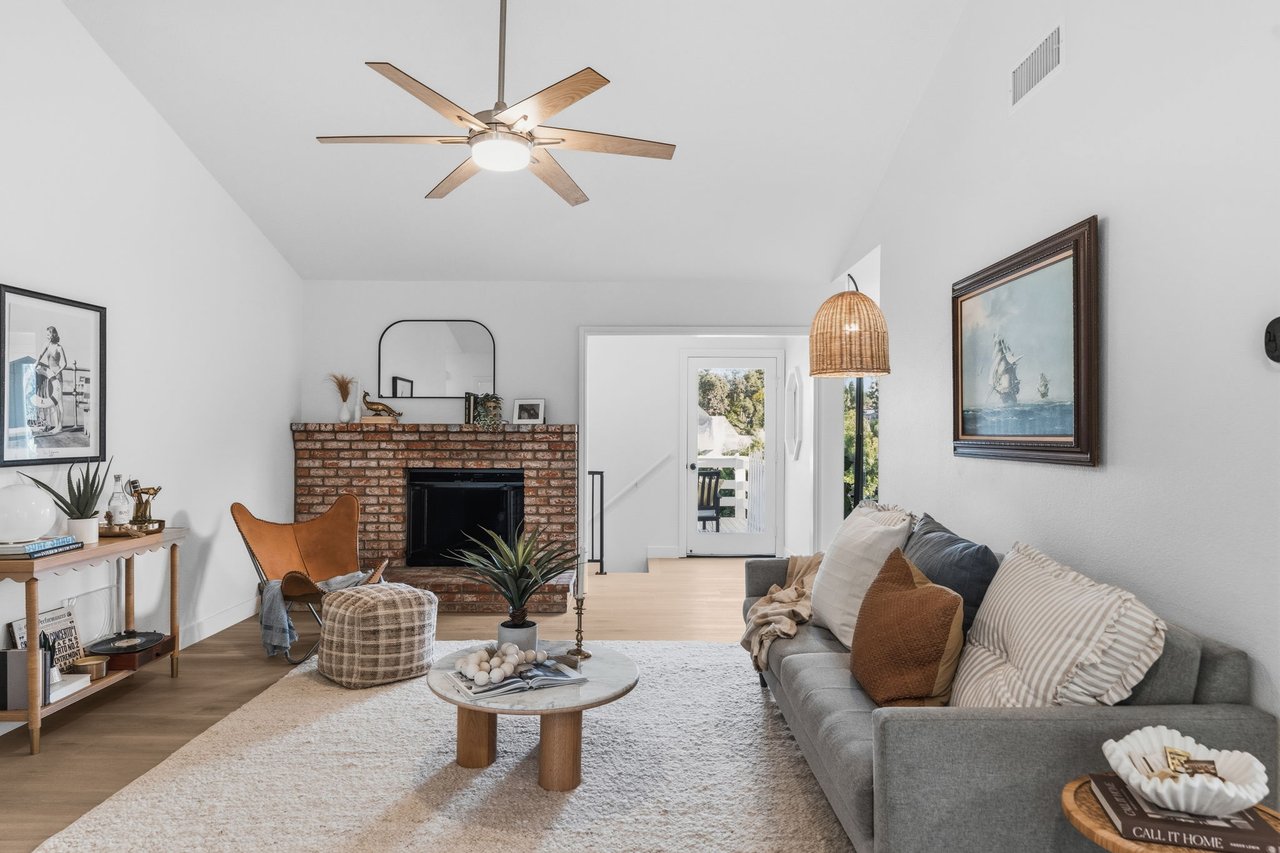
Discover a single level Rancho Bernardo home overlooking the 13th hole, with recent upgrades, flexible living space, and a sought after San Diego lifestyle.
Real Estate
Kimberly Koll
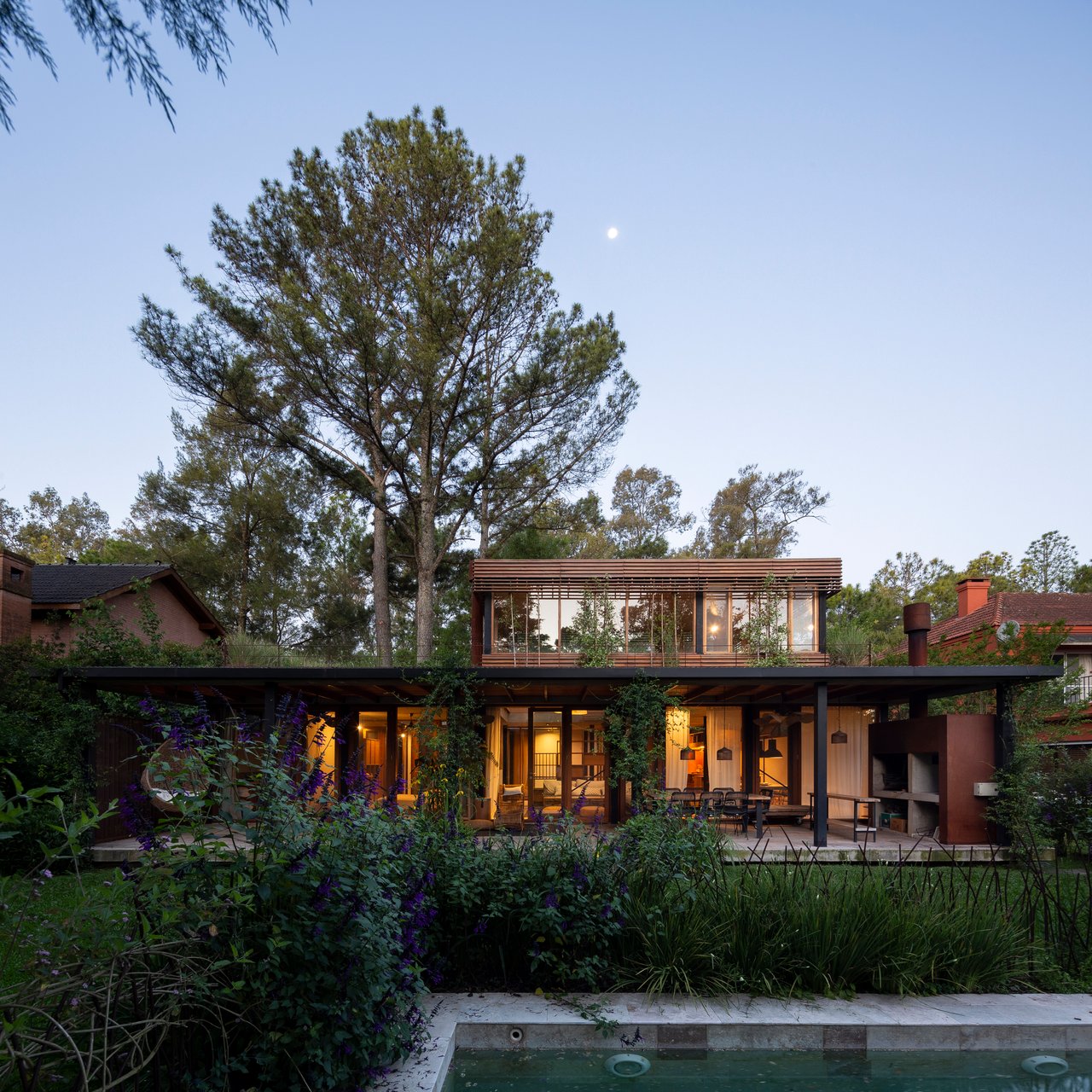
What San Diego buyers should know about 2027 mortgage rate forecasts, affordability, inventory, and the best time to make a move.
Real Estate
Kimberly Koll
Zone 0 and Real Estate in San Diego
Get in Touch
You’ve got questions and we can’t wait to answer them.
Get In Touch

HERITAGE HOMES SAN DIEGO
Kimberly Koll | DRE# 01506747
CONTACT
ADDRESS
16776 Bernardo Center Dr, #110D
San Diego, CA 92128