Why Some San Diego Homes Are Getting Price Reductions
Real Estate
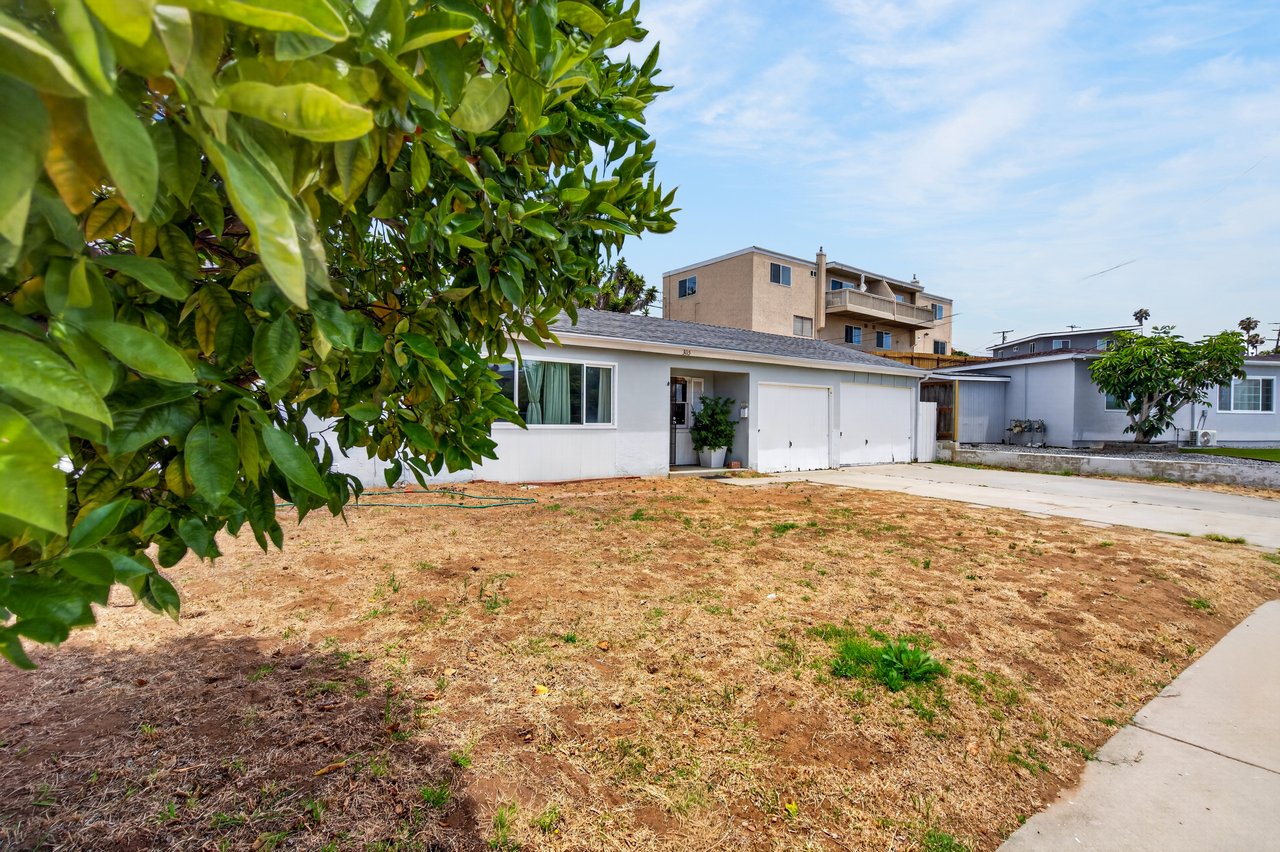
Real Estate
Some San Diego homes are getting price reductions because buyers remain highly payment sensitive, mortgage rates are still elevated, and listings that start above recent comparable sales can sit longer. A price cut does not automatically mean a home has a major problem; it often means the seller is adjusting expectations to match today’s affordability, competition, and local demand.
A price reduction usually means the original asking price did not match current buyer demand, comparable sales, or the home’s condition.
Higher mortgage rates make buyers more focused on total monthly payments, which can limit what they can offer.
More selective buyers have made realistic pricing, presentation, and seller flexibility more important.
A price cut can create an opportunity for buyers, but it is still essential to review comparable sales, inspections, disclosures, and total ownership costs.
San Diego remains a high demand market, so a price reduction does not automatically signal a market crash.
A price reduction happens when a seller lowers the listed price after the property has been on the market. It is one of the clearest signals that the home has not attracted an offer at its original price or that the seller wants to increase buyer attention and improve the odds of a sale.
In the San Diego-Chula Vista-Carlsbad metro area, Realtor.com reported a median listing price of $899,000 in August 2026, down 5.4% year over year. The share of active listings with a price reduction was 20.0%, while new listings rose 5.5% year over year.
That does not mean every home in San Diego is becoming cheaper. It means sellers in some price ranges and neighborhoods are adjusting their asking prices to reflect what buyers can and will pay in the current market.
The San Diego housing market is becoming more selective. Well located, well presented homes that are priced correctly can still attract strong interest. Homes that start too high, need repairs, have expensive HOA dues, or face buyer concerns may require an adjustment.
No. Price reductions are not the same as a broad collapse in home values.
A seller’s list price is an expectation. The final sale price is what a qualified buyer actually agrees to pay after reviewing the property, comparing alternatives, and accounting for financing costs. When a seller reduces the asking price, the market may simply be correcting an unrealistic starting point.
Different market data can show different trends because they measure different things:
Listing prices show what sellers are asking.
Sold prices show what buyers actually paid.
Repeat sales home value indexes track changes in the value of similar homes over time.
Median prices can shift based on the mix of homes that sold in a given month.
For example, Zillow’s August 2026 data estimated San Diego’s average home value at approximately $934,936, down 0.4% from the prior month but up 1.0% year over year. Meanwhile, Realtor.com showed a 5.4% year over year decline in the median list price for the broader San Diego-Chula Vista-Carlsbad metro area.
The takeaway: asking prices are adjusting more than the market is collapsing. Sellers may be starting closer to aspirational prices and then cutting to meet qualified buyer demand.
Several market forces are affecting sellers and buyers across California.
Mortgage rates remain one of the biggest factors in the housing market 2026. When rates are elevated, the same home price creates a larger monthly payment. This reduces buying power and makes buyers more cautious.
The Federal Reserve influences overall borrowing conditions through monetary policy, but mortgage rates also respond to inflation, U.S. Treasury yields, mortgage backed securities, lender pricing, and economic expectations. As long as rates remain higher than the ultra low rate period, affordability will continue to shape buyer behavior.
A buyer may love a home, but if the payment exceeds their approval limit or comfort zone, they may not make an offer. Sellers who price based on a prior market rather than current financing costs can miss the buyer pool.
In some parts of Southern California, buyers have more listings to compare than during the most competitive years. That means they may be less likely to waive inspections, overlook repairs, or escalate far above asking price.
In the San Diego metro area, new listings rose 5.5% year over year in August 2026, even though active inventory fell 4.9%. The supply picture is still tight, but buyers are seeing enough alternatives to be more selective.
Some sellers base their asking price on a neighbor’s peak sale, an online estimate, or a sale from a year ago. But the right price depends on current comparable properties, current competition, upgrades, condition, lot characteristics, location, and mortgage affordability.
A home can be beautiful and still be overpriced. When the list price is not supported by recent comparable sales, the listing may receive showings but no offers or low offers that the seller rejects. A strategic price reduction can reset buyer interest.
During high-competition periods, buyers sometimes accepted homes with deferred maintenance, outdated interiors, or repair needs because they had few alternatives. In a more balanced environment, those same issues matter more.
Price reductions may be more common for homes with:
Older roofs, HVAC systems, plumbing, or electrical systems.
Visible deferred maintenance.
Poor staging, photography, or curb appeal.
Dated kitchens and bathrooms.
High HOA dues or restrictive HOA rules.
Insurance, wildfire, or flood zone considerations.
Less desirable locations, busy streets, or difficult access.
Real estate is seasonal. Late summer, fall, holidays, and school schedules can affect showing activity. A listing that launches during a slower period may need a sharper price and stronger marketing plan to stand out.
Nationally, 20.4% of active listings received price cuts in August 2026, up 0.4 percentage points from July and equal to the prior year’s share. That suggests seller adjustments are not limited to San Diego.
What do price reductions mean for San Diego buyers?
A price reduction can be an opportunity, but it is not automatically a bargain. Buyers should investigate the reason behind the change before assuming they have found a deal.
Ask your real estate agent to review:
Recent comparable sales.
The property’s original list price and price change history.
Days on market.
Competing listings nearby.
Seller disclosures.
Inspection reports, if available.
HOA documents, fees, and reserve information.
The estimated total monthly payment.
A home reduced from $1,050,000 to $999,000 may still be overpriced if comparable properties support a value closer to $950,000. On the other hand, a modest reduction on a well maintained property in a high demand area may create a rare chance to buy with less competition.
A price reduction may open the door to a thoughtful offer. Depending on the property, buyers may be able to negotiate:
Seller paid closing costs.
A temporary or permanent mortgage rate buydown.
Repair credits.
A home warranty.
A flexible closing date.
Inclusion of appliances or personal property.
However, do not assume a seller will accept a low offer just because a property has had one price reduction. If the home is correctly priced after the reduction, it may attract several buyers at once.
Buying a home in California involves contracts, disclosures, inspections, appraisal, financing, title, and escrow. A price reduction should never be a reason to skip due diligence.
Unless you fully understand the risk and have professional guidance, keep appropriate contingencies for:
Loan approval.
Property appraisal.
Inspections.
Title review.
HOA document review, when applicable.
A price cut should be strategic, not emotional. Before reducing the price, sellers should identify why buyers are not making offers.
A San Diego real estate agent should collect showing feedback and compare your home with active, pending, and recently sold properties. Ask:
Are buyers saying the home is overpriced?
Is the condition a concern?
Are there nearby homes offering more value?
Has the listing received online views but few showings?
Are buyers touring but not making offers?
Sometimes the solution is not only the price. Consider:
Professional photography and video.
Decluttering and staging.
Curb-appeal improvements.
Minor repairs and touch-up painting.
Better lighting.
Transparent disclosures.
A clear marketing strategy focused on the property’s strongest features.
The best pricing strategy is based on current market evidence not the price you hope to receive. A well priced listing can create urgency, attract more qualified buyers, and reduce the risk of repeated reductions that make buyers wonder what is wrong.
The San Diego real estate market is highly local. A price reduction in one neighborhood does not mean the same thing in another.
In La Jolla, Del Mar, and coastal North County communities, high end homes can take longer to sell because there are fewer qualified buyers at premium price points. Luxury properties may also be more unique, making comparisons difficult. A price reduction may simply bring the property closer to the buyer pool.
In North Park, University Heights, Mission Hills, Clairemont, and University City, buyers often compare walkability, school access, lot size, renovation quality, commute routes, and ADU potential. A home that is priced above nearby renovated alternatives may need an adjustment quickly.
In Chula Vista, Bonita, Santee, and other East County communities, buyers may prioritize space, school districts, HOA costs, commute times, and newer construction. Price reductions may reflect buyers’ sensitivity to monthly payment and the availability of competing homes.
For investors, price reductions can create entry points, but a lower list price does not automatically create positive cash flow.
Evaluate the full investment picture:
Market rent and realistic vacancy assumptions.
Property taxes and insurance.
Maintenance, capital expenditures, and property management.
HOA restrictions and rental policies.
Financing terms and debt service.
Local rental demand and neighborhood conditions.
California and local rental regulations.
A property with a price cut may be more appealing for a long term rental, value dd renovation, or owner occupied house hack but only after a disciplined financial analysis.
Use natural internal links throughout this article to guide readers to high value Heritage Homes RE pages:
Current listings: “Browse San Diego homes currently for sale.”
Mortgage calculator: “Estimate your full monthly mortgage payment.”
Buyer guide: “Read our guide to buying a home in California.”
Seller guide: “Learn how to price your San Diego home to sell.”
Home valuation page: “Request a local home-value analysis.”
Neighborhood pages: “Explore San Diego neighborhood guides.”
Contact page: “Schedule a San Diego real estate consultation.”
San Diego homes often receive price reductions when the original list price does not match current comparable sales, buyer affordability, property condition, or local competition. Higher mortgage rates also make buyers more payment-sensitive.
Not necessarily. A price reduction reflects a seller adjusting the asking price. Home value measures can differ from list-price trends; in August 2026, Zillow estimated San Diego home values were up 1.0% year over year even as median listing prices in the larger metro area declined. How common are price reductions in San Diego?
In August 2026, 20.0% of active listings in the San Diego Chula Vista Carlsbad metro had a price reduction, according to Realtor.com.
It can be, but not always. Buyers should compare recent sales, inspect the property, review disclosures, and calculate the full monthly cost before deciding whether the new price represents real value.
Often, yes. Depending on the home and seller motivation, buyers may be able to negotiate price, closing-cost credits, mortgage rate buydowns, repairs, or other favorable terms.
Sellers should consider a reduction if market feedback, lack of showings, extended days on market, or comparable sales show that the current price is too high. The decision should be based on local market data and a strategy with a qualified real estate agent.
Price reductions are a normal part of a more selective market. In 2026, high mortgage rates, affordability limits, buyer choice, property condition, and unrealistic initial pricing are pushing some San Diego sellers to adjust their expectations.
For buyers, this can create opportunities to negotiate and find better value but every property still requires careful analysis. For sellers, accurate pricing, strong preparation, and professional marketing are the best ways to avoid chasing the market downward.
Whether you are buying, selling, or investing in the San Diego housing market, contact Heritage Homes to schedule a consultation, review local pricing data, and explore current San Diego homes for sale.
Stay up to date on the latest real estate trends.

Real Estate
Kimberly Koll
Why the quieter seasons can still offer opportunities and how pricing, preparation, and local market conditions shape your sale
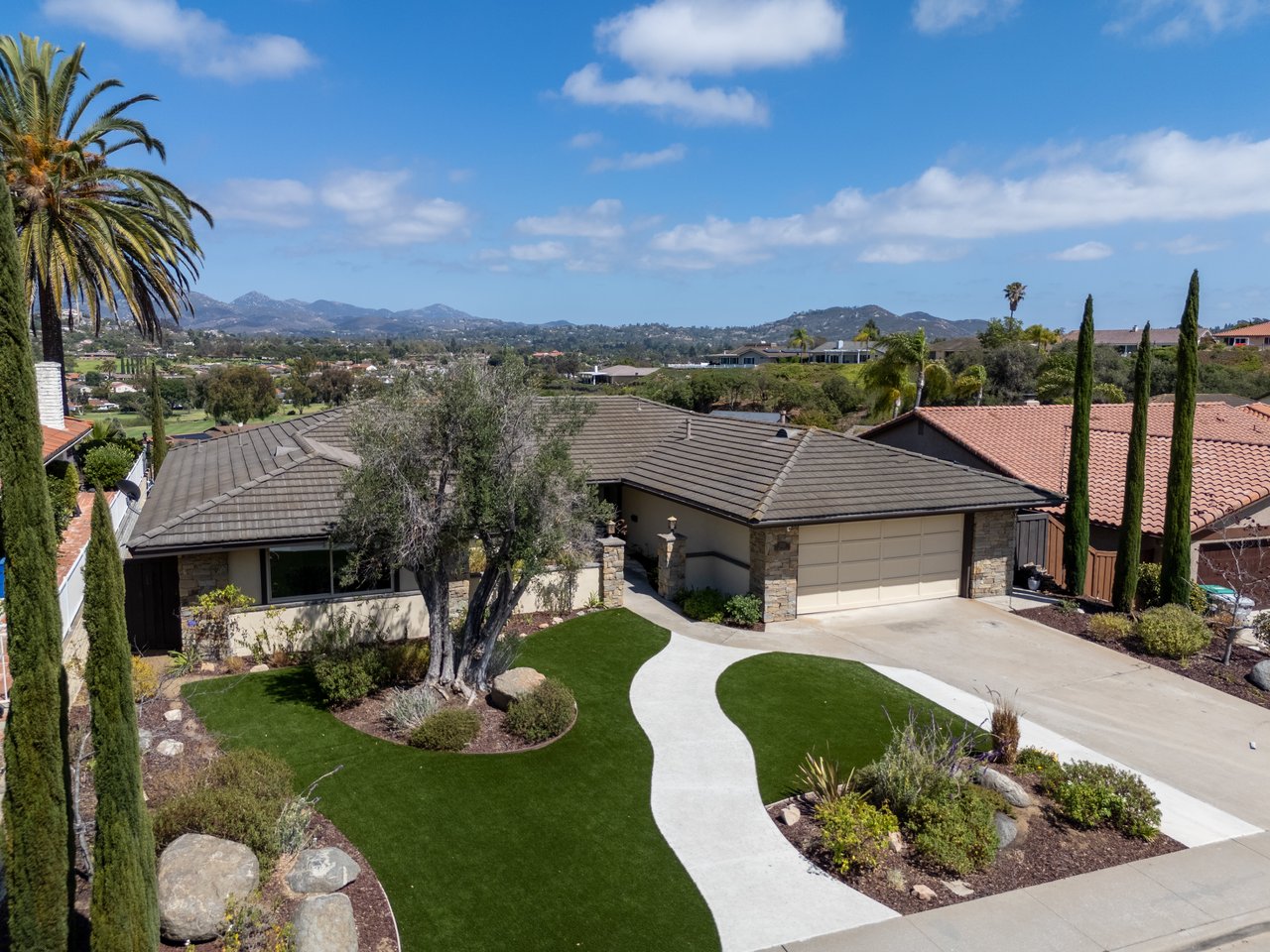
Real Estate
Kimberly Koll
Understand California’s buyer representation agreements, who pays the commission, and how to budget for your next San Diego home purchase
Real Estate
Kimberly Koll
Understand why some sellers are adjusting prices in 2026 and what price reductions can mean for San Diego buyers, sellers, and investors.
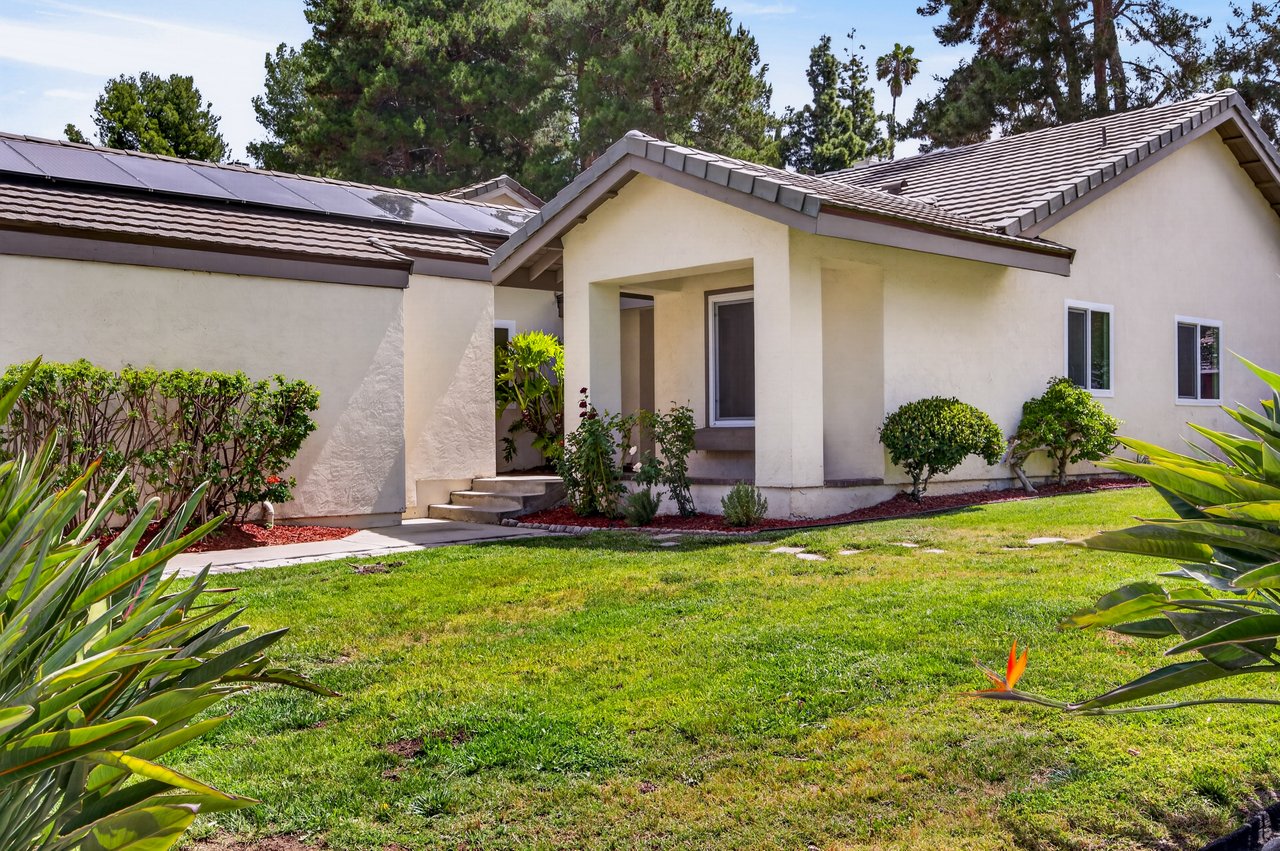
Real Estate
Kimberly Koll
More homes are entering the San Diego housing market learn how rising inventory, mortgage rates, and local competition could affect your buying strategy in 2026.
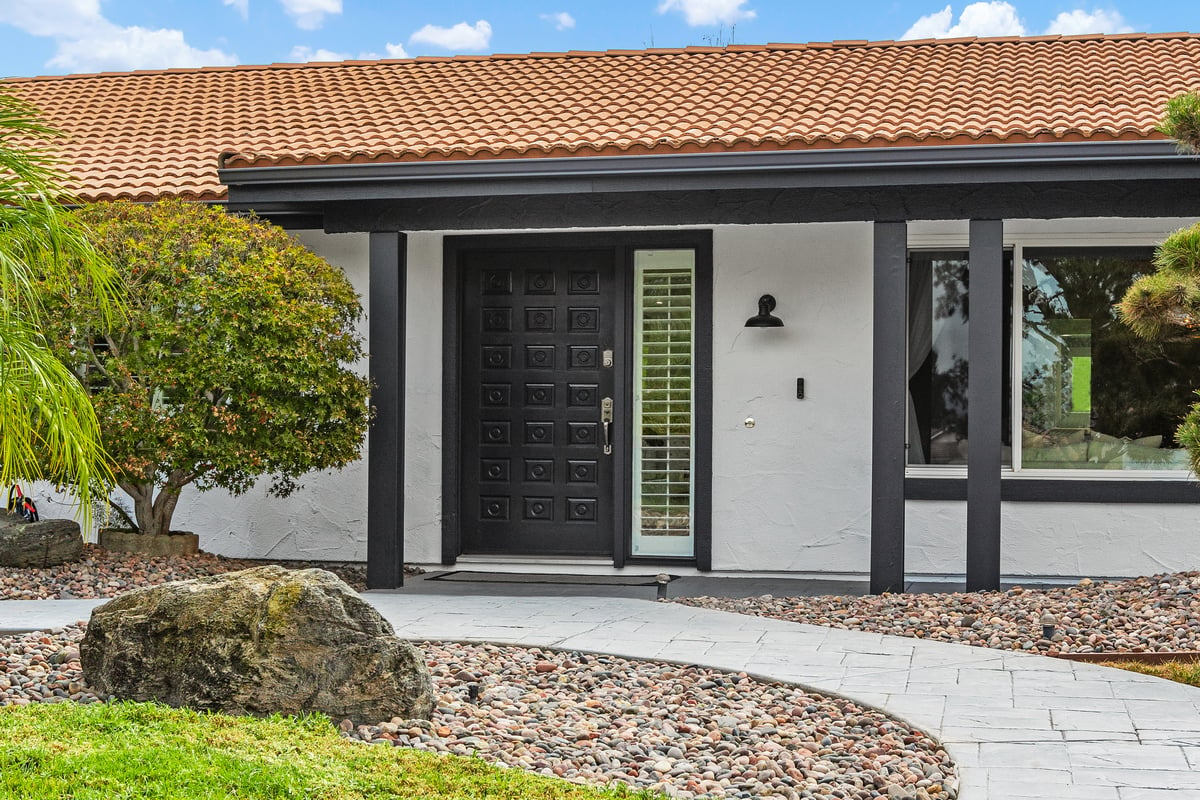
Real Estate
Kimberly Koll
Compare 2026 mortgage rates, San Diego home prices, inventory, and market trends to decide whether buying now or waiting until 2027 is right for you.
Real Estate
Kimberly Koll
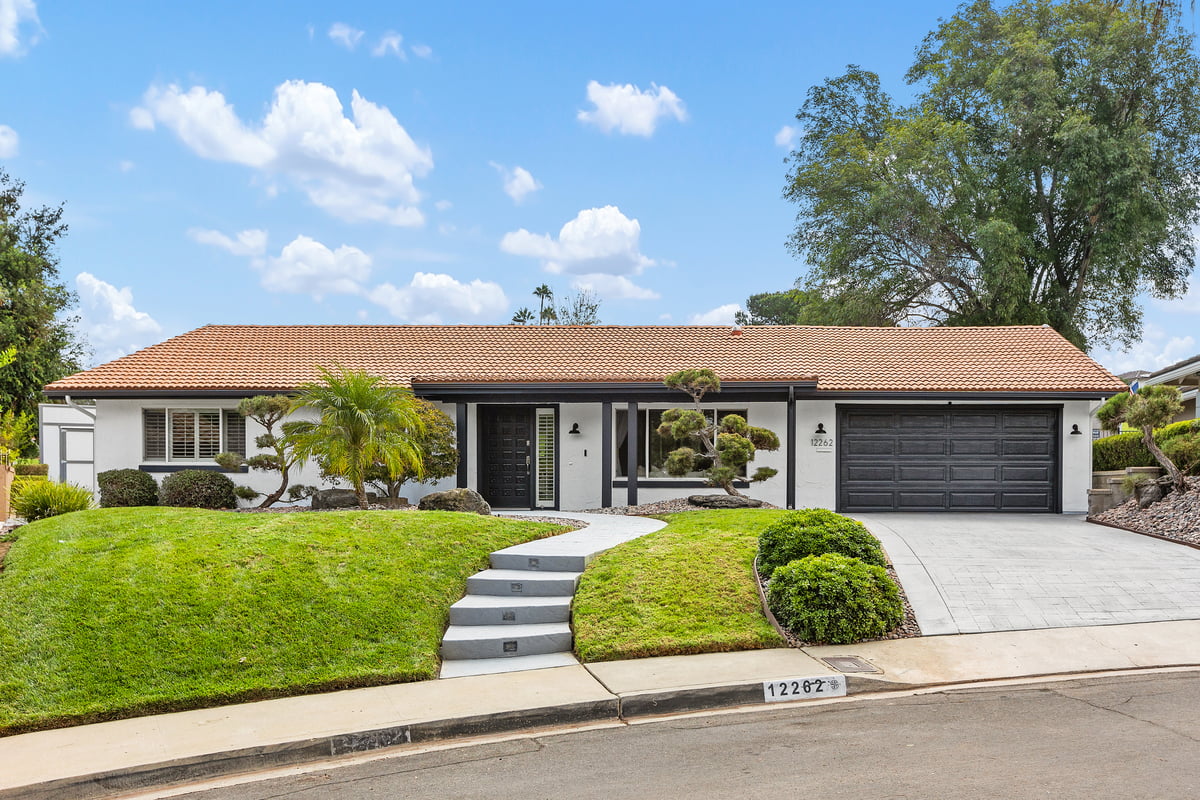
Discover a single level Rancho Bernardo home overlooking the 13th hole, with recent upgrades, flexible living space, and a sought after San Diego lifestyle.
Real Estate
Kimberly Koll
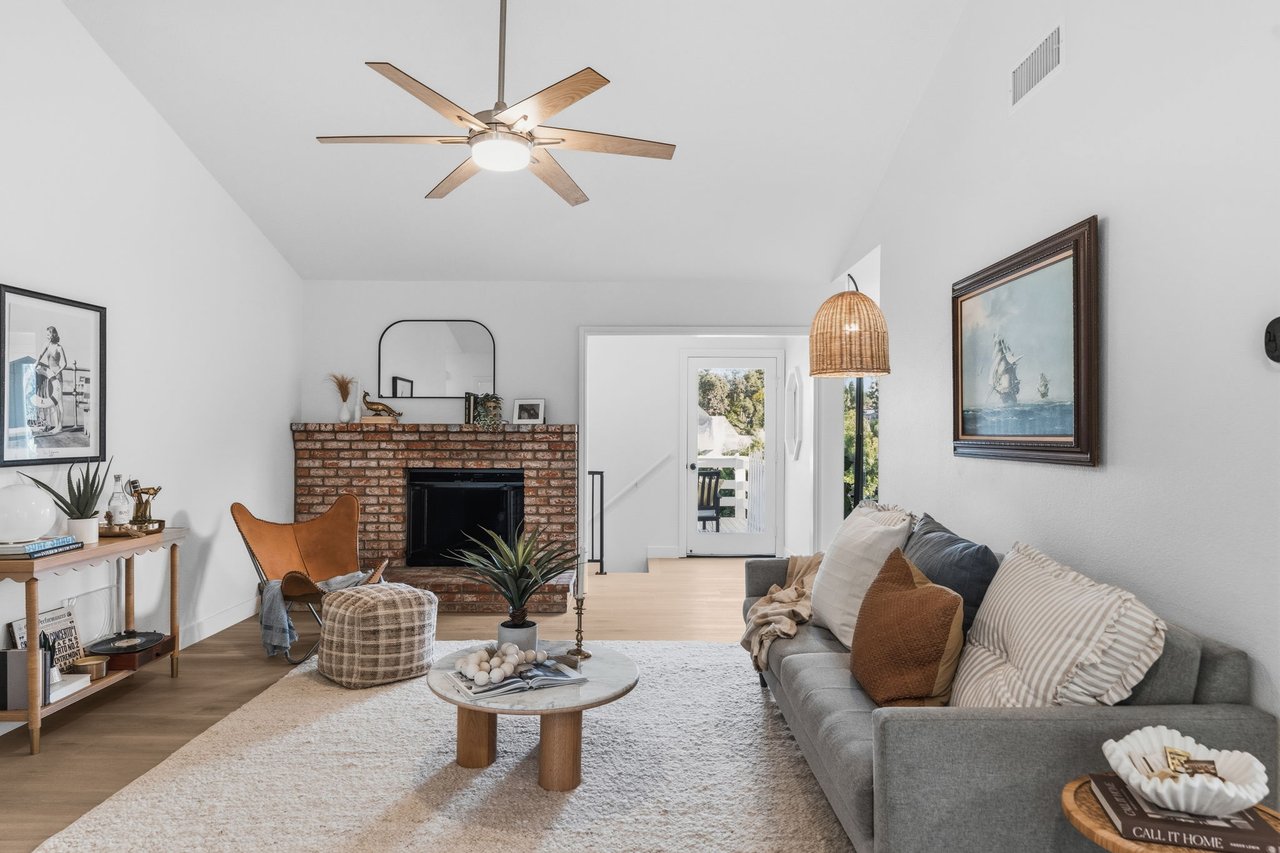
What San Diego buyers should know about 2027 mortgage rate forecasts, affordability, inventory, and the best time to make a move.

Real Estate
Kimberly Koll
Zone 0 and Real Estate in San Diego
Real Estate
Kimberly Koll
A step by step guide to the escrow process, timelines, and what buyers and sellers should expect
Get in Touch
You’ve got questions and we can’t wait to answer them.
Get In Touch

HERITAGE HOMES SAN DIEGO
Kimberly Koll | DRE# 01506747
CONTACT
ADDRESS
16776 Bernardo Center Dr, #110D
San Diego, CA 92128