Should You Buy a House Now or Wait Until 2027?
Real Estate

Real Estate
For many buyers, the better choice is to buy now if the payment is comfortable, you have stable finances, and you plan to stay for at least five years. Waiting until 2027 could bring modestly lower mortgage rates, but it could also mean higher home prices and more buyer competition, especially in the San Diego housing market. Current forecasts point to rates staying relatively elevated rather than dropping sharply.
Should You Buy a House Now or Wait Until 2027?
Buy now if: You can afford today’s payment, have stable employment and savings, and expect to own the home for five years or longer.
Wait if: You need to improve your credit, reduce debt, save for a down payment and reserves, or expect a major life change soon.
Mortgage rate outlook: A modest decline is possible in 2027, but major forecasts do not point to a fast return to ultra low mortgage rates.
San Diego reality: Limited inventory and persistent demand mean lower rates could attract more buyers and increase competition.
Bottom line: Do not wait solely for a predicted rate drop. Make your decision based on affordability, timing, and the right property.
The housing market 2026 is more balanced than the frenzied market of earlier years, but it is not equally balanced everywhere. Some U.S. markets have more inventory and slower price growth. San Diego remains more competitive because housing supply is limited and buyer demand remains durable.
In August 2026, San Diego County’s median sale price reached $961,781, up 5.7% year over year. Active listings fell 5.6% from the prior year to 8,709, and approximately 35.4% of homes sold above list price. Homes spent a median of 28 days on market, while months of supply held at about 3.0 months conditions that still favor sellers.
For the City of San Diego specifically, the reported median sale price was approximately $999,339, up 5.2% year over year. These numbers show why buyers should not assume waiting automatically creates a cheaper opportunity. In many parts of San Diego County, supply remains below pre-pandemic levels.
Mortgage rates could move lower in 2027, but buyers should not assume a major decline. Freddie Mac reported that the average 30 year fixed rate mortgage was 6.71% as of September 3, 2026.
Fannie Mae’s latest outlook expects 30 year fixed mortgage rates to average around 6.7% in 2027. That forecast was raised from an earlier 6.3% expectation, reflecting continuing uncertainty around inflation and the broader economy.
Mortgage rates are influenced by more than the Federal Reserve. The Fed affects short term borrowing conditions, but long term mortgage rates also react to:
Inflation data and inflation expectations.
U.S. Treasury bond yields.
Mortgage backed securities markets.
Employment and wage growth.
Global financial conditions.
Lender pricing and borrower risk factors.
The Federal Reserve could lower its benchmark rate, but mortgage rates may not decline by the same amount or at the same time. Markets often anticipate policy changes before the Fed makes an announcement.
What this means for buyers
A decline from 6.7% to 6.0% would improve affordability. But if lower rates bring more buyers into the market, sellers may receive stronger offers and home prices could climb. In a supply constrained market like San Diego, more demand can quickly offset some of the benefit of a lower rate.
In California, small mortgage rate changes matter because home prices are high. Here is a simplified example using a $950,000 home, a 20% down payment, and a 30 year fixed loan of $760,000. The example excludes property taxes, homeowners insurance, HOA dues, mortgage insurance, and closing costs.
A rate decline from 6.8% to 6.0% could reduce the estimated principal and interest payment by roughly $398 per month. But if the same home becomes more expensive because demand increases, the savings can narrow.
This is why the best strategy is often to buy a home that works at the current payment. If rates improve later and you still qualify, refinancing may be an option but it should be treated as a possible future benefit, not a guarantee.
Buying now may be the better decision if your personal finances are ready and you find a home that meets your long term needs. A home purchase should work with your budget today, not depend on future predictions.
You have stable income and employment.
Your credit score and debt to income ratio are in a healthy range.
You have funds for a down payment, closing costs, and emergency reserves.
You can afford the complete monthly cost, including principal, interest, property taxes, insurance, HOA dues, and maintenance.
You expect to stay in the home for at least five years.
You find a property that fits your lifestyle and long term plans.
You are comfortable with the payment at today’s mortgage rates.
Buying in 2026 can also give you access to properties before a potential reduction in rates encourages more buyers to re enter the market. If inventory is available in your preferred neighborhood and you can negotiate credits, repairs, or a rate buydown, acting now may offer advantages.
Waiting can be the right move if it improves your financial position or gives you time to make a clearer decision. The biggest risk is not “missing the market.” The biggest risk is buying before you are financially prepared.
Your expected payment would strain your monthly budget.
You need to pay down credit card debt or other high interest debt.
You do not have enough savings for closing costs and post closing reserves.
Your income is changing or your employment is uncertain.
You may relocate within the next few years.
You are still deciding among San Diego neighborhoods.
You are buying because of fear or pressure rather than readiness.
Waiting strategically is different from waiting indefinitely. Use the time to strengthen your credit profile, reduce debt, establish reserves, and learn how property values differ across the San Diego real estate market.
The San Diego housing market is made up of many local markets. Inventory, competition, price ranges, property types, commute patterns, schools, and lifestyle preferences can vary dramatically between neighborhoods.
Communities such as La Jolla, Del Mar, and Carlsbad often have limited inventory and strong lifestyle demand. Buyers may place a premium on beach access, schools, views, walkability, and long term desirability. Lower mortgage rates could intensify competition in these areas because the supply of well located homes is limited.
Areas such as North Park, University Heights, Clairemont, and University City attract buyers who value access to employment centers, restaurants, parks, universities, and major freeways. Condos, townhomes, and smaller detached homes can provide an entry point for first time buyers or move up buyers seeking a central location.
Chula Vista, Bonita, Santee, and other East County communities may offer different price points, more space, or specific school and commute advantages. Buyers should compare total ownership costs, including HOA fees, insurance, property taxes, transportation, and potential commute time not only list price.
San Diego’s high cost of living means the purchase price is only part of the decision. Compare:
Mortgage principal and interest.
Property taxes.
Homeowners insurance.
HOA dues, if applicable.
Maintenance and repair reserves.
Commute, transportation, and lifestyle expenses.
School, childcare, or work from home needs.
A smaller property in a neighborhood that supports your daily lifestyle may be more valuable to you than a larger home with a difficult commute.
Inflation is a key factor in the mortgage rate outlook. If inflation cools consistently, investors may expect lower long term interest rates, which could help mortgage rates ease. If inflation remains elevated or volatile, rates may stay higher for longer.
The Federal Reserve’s monetary policy affects borrowing conditions, but mortgage rates do not follow Fed moves one for one. Home buyers should watch the larger economic environment, but they should avoid trying to time every market shift.
Instead, focus on factors you can control:
Credit score.
Down payment amount.
Debt to income ratio.
Loan type.
Cash reserves.
Property budget.
Offer terms and contingencies.
Even if mortgage rates remain near current levels, buyers can take steps to improve their position.
Get quotes from more than one lender. Ask about conventional, FHA, VA, jumbo, and other loan programs that may apply to your situation. The rate is important, but compare the annual percentage rate, lender fees, points, loan terms, and total cash needed to close.
A seller credit or rate buydown may reduce your payment, especially if the seller is motivated. Review the cost, monthly savings, and break even period with your lender before deciding.
A condo, townhome, duplex, or smaller detached home may create a more manageable entry point. First time buyers may also consider a property with rental or accessory dwelling unit potential where legally permitted.
Until closing, avoid new debt, large purchases, or unexplained bank deposits. Do not change jobs or alter your income structure without speaking to your mortgage lender.
Sellers should prepare for payment sensitive buyers. If rates fall, demand may increase, but buyers will still compare condition, pricing, and location carefully. A well-priced, move in ready home in a strong neighborhood can remain highly competitive.
To prepare:
Review comparable sales with a San Diego real estate agent.
Complete obvious repairs and maintenance.
Improve curb appeal and staging.
Use professional photography and marketing.
Consider targeted buyer incentives if appropriate.
Investors should analyze properties based on real income and expenses, not forecasts alone. In the California housing market, rising values do not automatically equal strong rental cash flow.
Review:
Expected rent and realistic vacancy assumptions.
Property taxes, insurance, maintenance, and capital expenses.
Financing costs and cash flow.
Local rental rules and property management expenses.
Tenant demand, transit access, and employment proximity.
Add internal links to relevant Heritage Homes RE pages using natural anchor text:
Mortgage calculator: “estimate your monthly San Diego mortgage payment.”
Homes for sale: “browse current San Diego homes for sale.”
Buyer guide: “read our California first-time buyer guide.”
Neighborhood guides: “compare San Diego neighborhoods before you buy.”
Home valuation page: “learn what your San Diego home may be worth.”
Contact page: “schedule a buyer, seller, or investment consultation.”
Buy now if you can comfortably afford the payment, have stable finances, and plan to stay for at least five years. Wait if you need to improve your credit, reduce debt, build savings, or expect to move soon. Do not wait solely for a predicted mortgage rate drop.
Mortgage rates may ease modestly, but a major decline is not the leading expectation. Fannie Mae’s latest outlook projects an average 30 year fixed mortgage rate of about 6.7% in 2027.
No one can guarantee future prices. However, San Diego County remained a seller’s market in August 2026, with prices up 5.7% year over year and active inventory down 5.6%. Limited supply can support prices even if the broader market slows.
For financially prepared buyers, 2026 can be a good time to buy because some markets offer more choice and negotiating opportunities than peak-competition years. In San Diego, though, limited inventory and ongoing demand mean buyers should be ready to act when the right home appears.
How do lower mortgage rates affect home prices?
Lower mortgage rates improve buyer affordability and can bring more buyers into the market. If housing inventory does not increase at the same pace, increased demand can lead to stronger competition and higher home prices.
Potentially. If mortgage rates decline and you qualify, refinancing may lower your payment, interest rate, or loan term. However, refinancing includes closing costs and lender approval, so it should be evaluated based on real savings and the break even period.
The decision to buy a house now or wait until 2027 should come down to your finances, lifestyle, and long term plans not a single rate forecast. Mortgage rates may change, but the right property, a manageable payment, and a strong local strategy can matter more than trying to predict the exact market bottom.
For buyers, sellers, and investors navigating the San Diego real estate market, the most useful next step is a local plan built around your goals. Contact Heritage Homes RE to schedule a consultation, review your options, and browse available homes across San Diego County.
Stay up to date on the latest real estate trends.
Real Estate
Kimberly Koll
Compare 2026 mortgage rates, San Diego home prices, inventory, and market trends to decide whether buying now or waiting until 2027 is right for you.
Real Estate
Kimberly Koll
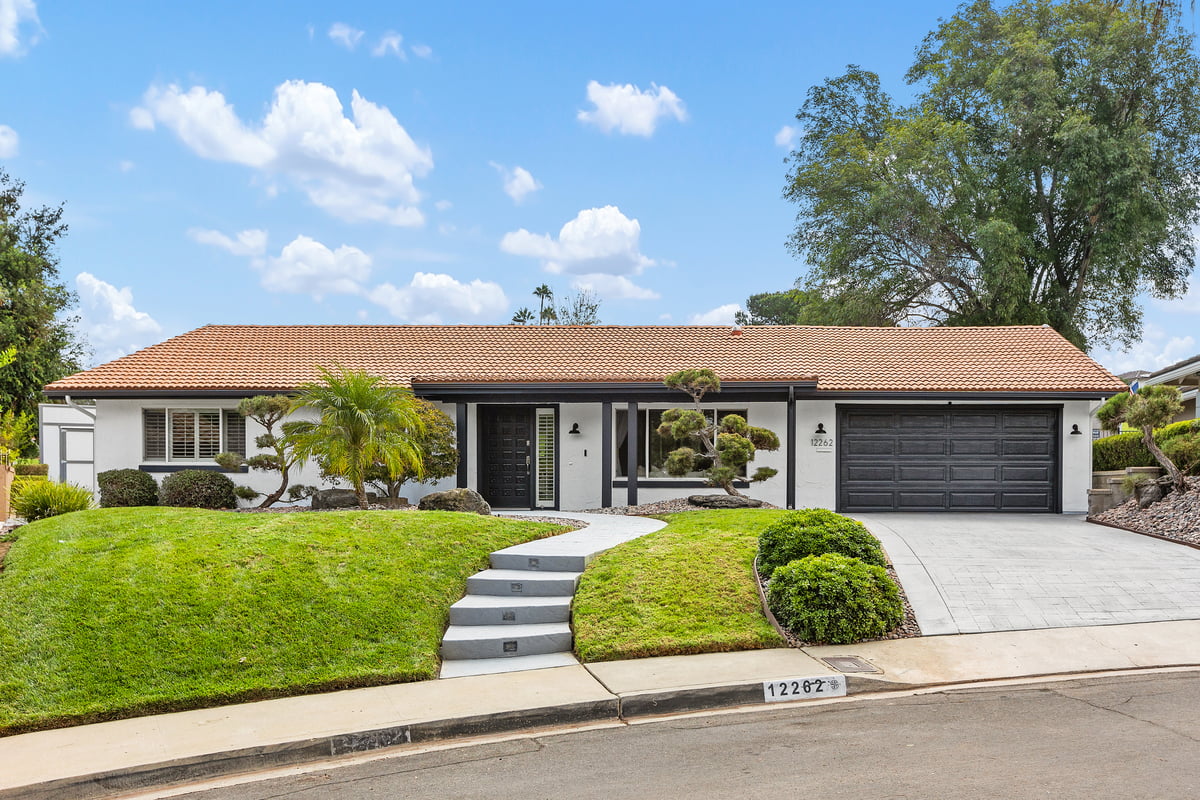
Discover a single level Rancho Bernardo home overlooking the 13th hole, with recent upgrades, flexible living space, and a sought after San Diego lifestyle.

Real Estate
Kimberly Koll
What San Diego buyers should know about 2027 mortgage rate forecasts, affordability, inventory, and the best time to make a move.

Real Estate
Kimberly Koll
Zone 0 and Real Estate in San Diego

Real Estate
Kimberly Koll
A step by step guide to the escrow process, timelines, and what buyers and sellers should expect

Real Estate
Kimberly Koll
The highest impact updates that can help your home sell faster and for more in today’s San Diego market

Real Estate
Kimberly Koll
The smart fixes that can help your home sell faster and attract stronger offers in today’s market
Real Estate
Kimberly Koll
A practical guide to home affordability, income requirements, and the best neighborhoods for buyers in San Diego

Real Estate
Simple, high impact steps to help your home sell faster and for more in San Diego’s competitive market
Get in Touch
You’ve got questions and we can’t wait to answer them.
Get In Touch

HERITAGE HOMES SAN DIEGO
Kimberly Koll | DRE# 01506747
CONTACT
ADDRESS
16776 Bernardo Center Dr, #110D
San Diego, CA 92128